
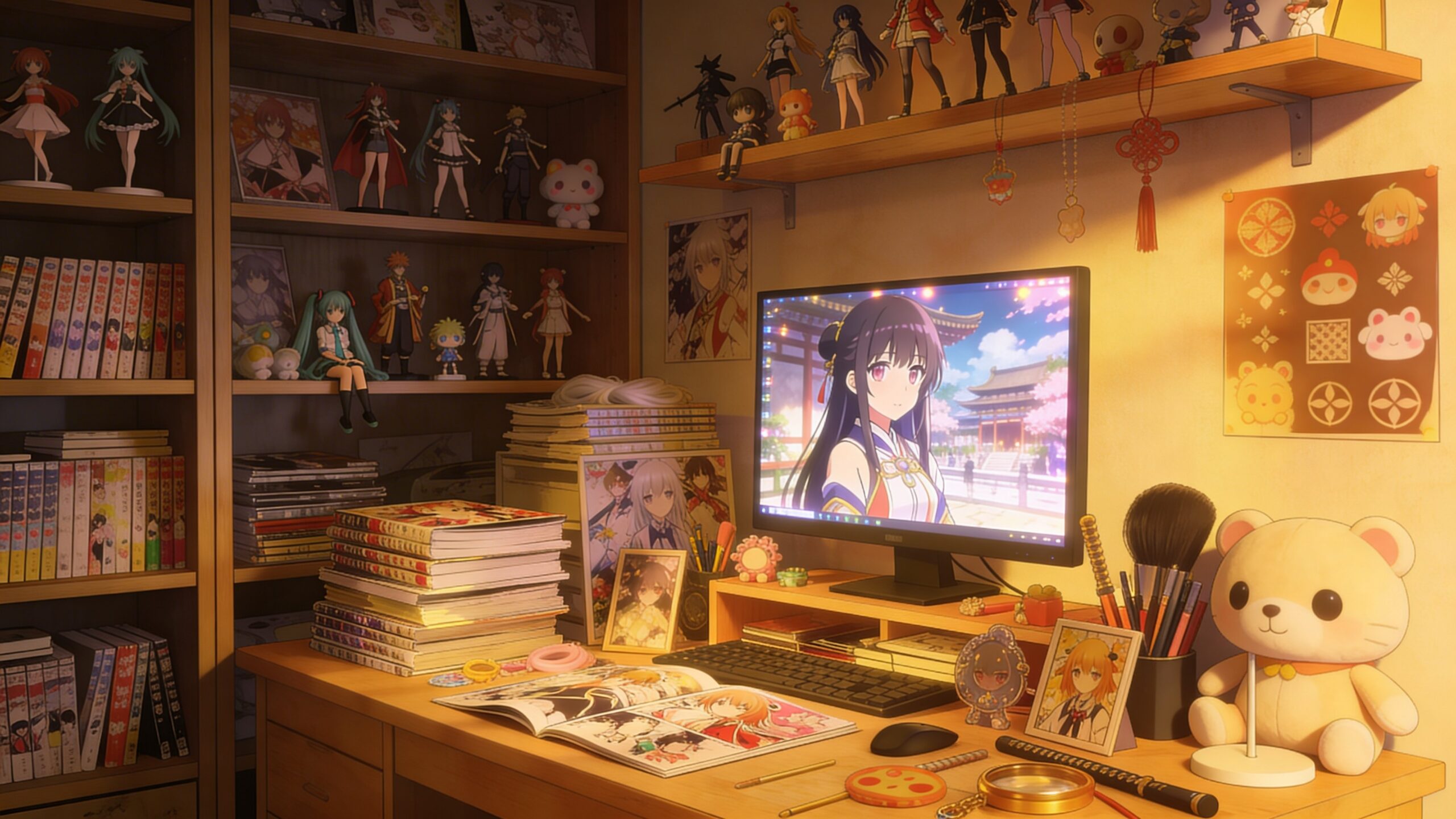
Otaku culture is a world of passion, detail, and deep connection, where fandom becomes a lifestyle and imagination spills into everyday life. Built around anime, manga, games, collectibles, music, and fan communities, it transforms enthusiasm into identity and turns shared interests into powerful social spaces. What begins as admiration for a series or character often grows into something bigger: a creative language of style, ritual, memory, and belonging that reaches far beyond the screen. Across conventions, online communities, figure shelves, art circles, and late-night watch parties, otaku culture continues to shape trends, spark conversations, and inspire new forms of expression around the world. It is energetic, layered, and constantly evolving, blending nostalgia, discovery, and devotion in ways that feel intensely personal yet globally shared. This space explores the ideas, communities, aesthetics, and cultural impact that define otaku culture today, offering a closer look at how fandom becomes community, how passion becomes identity, and how niche interests grow into worldwide influence for diverse fans everywhere, across generations, platforms, and creative scenes in the modern anime landscape today.
A: It is a fandom-centered culture built around deep enthusiasm for anime, manga, games, collectibles, and related media.
A: No, it also includes manga, gaming, music, figures, cosplay, fan art, conventions, and collecting culture.
A: It offers belonging, creative expression, shared passions, and strong emotional connection to stories and characters.
A: They bring fans together for cosplay, panels, shopping, performances, and community-building experiences.
A: Yes, many fans enjoy building collections that reflect favorite characters, series, or personal fandom history.
A: It is a major creative outlet that blends costume design, performance, photography, and character appreciation.
A: Absolutely, online communities keep discussions, fan works, and fandom connections active every day.
A: Both, since people participate at many levels, from occasional watching to highly detailed collecting and research.
A: Because fans often connect individual memories, emotions, and identity to the media they love.
A: New releases, evolving platforms, global fandom exchange, and constant creative participation keep it moving forward.