
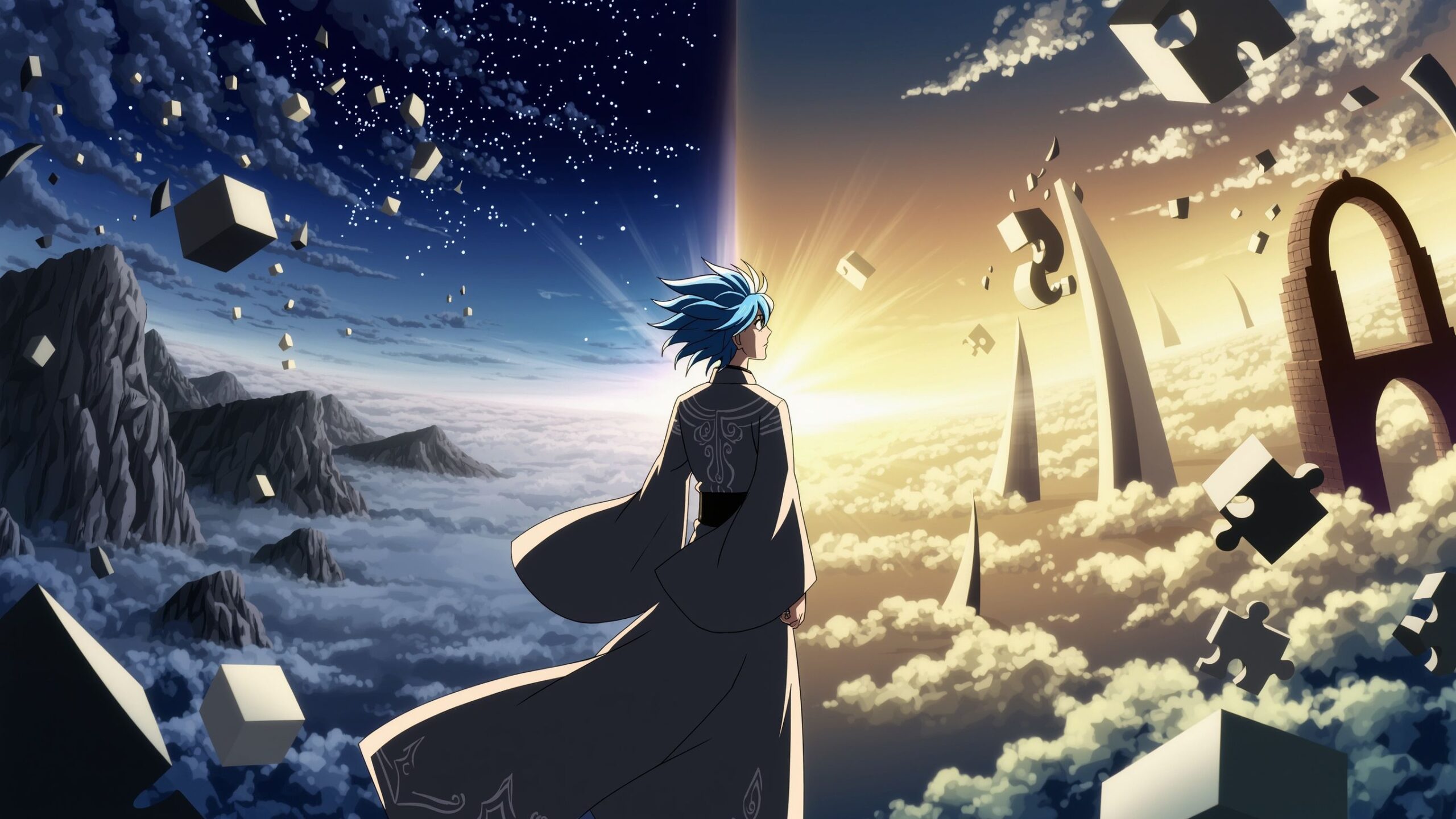
Anime has a unique way of turning powerful ideas into unforgettable stories. Beneath the battles, friendships, mysteries, and adventures lies something deeper: philosophical themes that explore the meaning of existence, morality, identity, and the nature of choice. On Anime Streets, this Philosophical Themes hub dives into the ideas that make anime more than entertainment. It’s where stories challenge viewers to think about who we are, why we fight, what justice really means, and whether destiny can ever truly be escaped. Many anime series weave profound questions into their worlds, asking characters to confront impossible decisions, moral gray areas, and the consequences of their beliefs. A hero may question the value of power, a villain may believe their actions are justified, and entire worlds may exist to test the limits of human nature. These philosophical elements add depth to anime storytelling and often spark conversations long after the final episode ends. Step into this collection of articles to explore the thought-provoking ideas, moral dilemmas, and big questions that shape some of anime’s most memorable journeys.
A: They are deeper ideas about morality, existence, identity, and meaning explored through story and characters.
A: Not always. Even action or comedy anime can contain deep philosophical ideas.
A: They add depth and encourage viewers to think about the story beyond the plot.
A: Yes, villains frequently represent alternative philosophies.
A: Many intentionally leave questions open for interpretation.
A: Absolutely. Many battle scenes represent deeper ideological conflict.
A: Identity, justice, destiny, morality, freedom, and human nature.
A: They often make stories more meaningful and memorable.
A: Some are complex, but many communicate ideas through relatable characters.
A: Because the ideas and questions stay with viewers long after the story ends.