
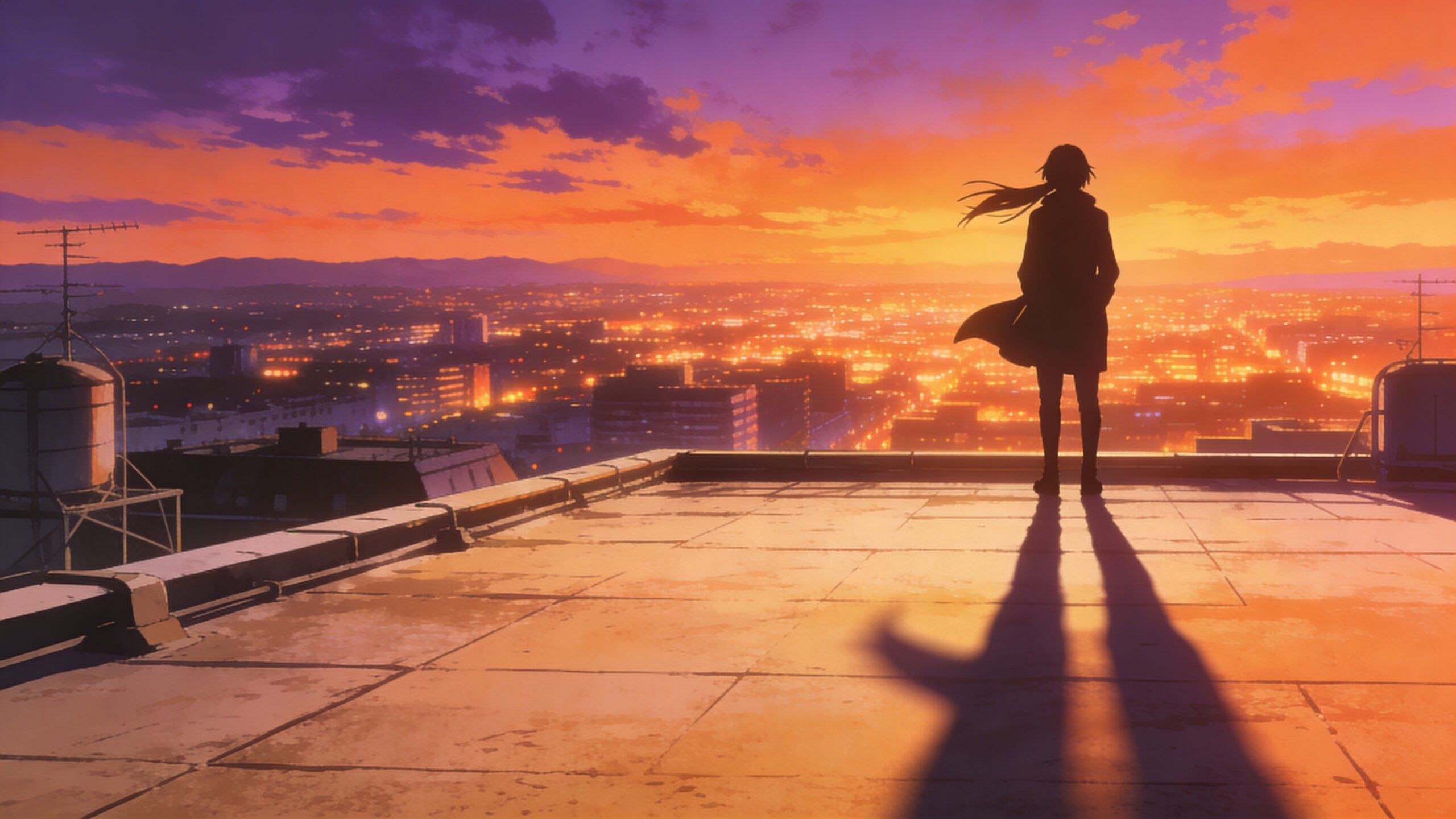
In anime, the most powerful moments aren’t always spoken—they’re seen, felt, and experienced through visual storytelling. This is where framing, color, lighting, motion, and composition come together to communicate emotion, tension, and meaning without a single line of dialogue. A quiet glance framed against a glowing skyline, a lone figure silhouetted in rain, or a sudden shift in color can reveal more than words ever could. Visual storytelling transforms scenes into experiences, guiding the viewer’s eye and shaping how each moment is interpreted. Every camera angle, shadow, and detail is intentional—crafted to amplify mood, deepen character arcs, and immerse audiences in the story’s rhythm. It’s the silent language that drives anime’s most unforgettable scenes. On Anime Streets, this space dives into the artistry behind those moments—breaking down techniques, uncovering hidden visual cues, and exploring how creators turn simple frames into emotional masterpieces. Whether you’re a fan, artist, or storyteller, Visual Storytelling invites you to see beyond the surface—and discover the meaning woven into every frame.
A: Telling a story through visuals instead of dialogue.
A: It enhances emotion and immersion.
A: Lighting, color, framing, and motion.
A: Yes, in many powerful scenes.
A: They influence mood and meaning.
A: How elements are arranged in a scene.
A: Essential for creating impactful scenes.
A: Yes, but styles vary widely.
A: Absolutely with practice and study.
A: Explore our Visual Storytelling guides.