
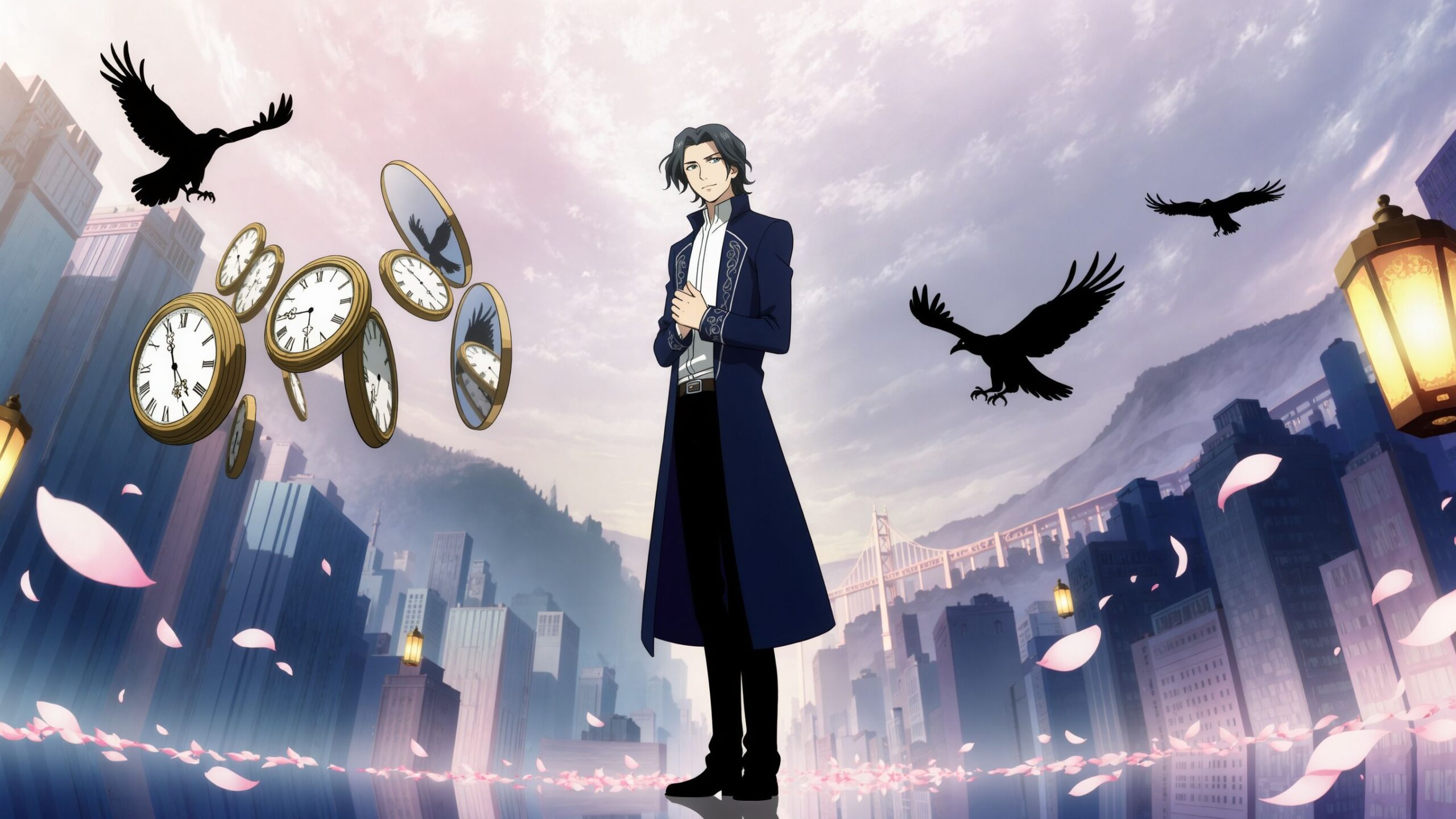
Anime is filled with more than action, emotion, and spectacle. Beneath the surface, many of its most memorable moments are shaped by symbolism and hidden meaning that reward closer attention. A color choice, a repeated object, a quiet background detail, or a single line of dialogue can reveal something much bigger about a character, a theme, or the world itself. On Anime Streets, this Symbolism & Hidden Meaning hub is where those deeper layers come into focus. Some anime use symbolism to express inner conflict, while others hide clues in visual patterns, seasonal imagery, architecture, dreams, or recurring motifs. A falling petal might signal change, a cracked mirror might reflect identity, and a shadowed hallway might suggest fear, memory, or fate. These details often turn great anime into endlessly discussable stories that feel richer with every rewatch. This page is your gateway into the visual language, secret meanings, and layered storytelling choices that make anime so rewarding to explore. Dive into the articles ahead and discover how hidden meaning can transform every frame into something unforgettable.
A: It means visual or story elements are used to represent deeper ideas beyond their literal role.
A: It is the deeper message, clue, or emotional idea placed beneath the surface of a scene or story.
A: Not heavily, but many anime use at least some symbolic imagery or repeated motifs.
A: Because it creates richer interpretation, stronger rewatches, and more discussion.
A: Yes, color choices often reflect mood, identity, danger, innocence, or change.
A: Many are, though some meanings can also come from viewer interpretation.
A: Look for repetition, unusual focus, visual contrast, and objects that appear during emotional moments.
A: Absolutely, symbols often highlight emotional growth, conflict, or hidden fears.
A: Yes, openings and endings often hide powerful visual clues about the story.
A: Not always, since strong symbolism can support multiple thoughtful readings.