
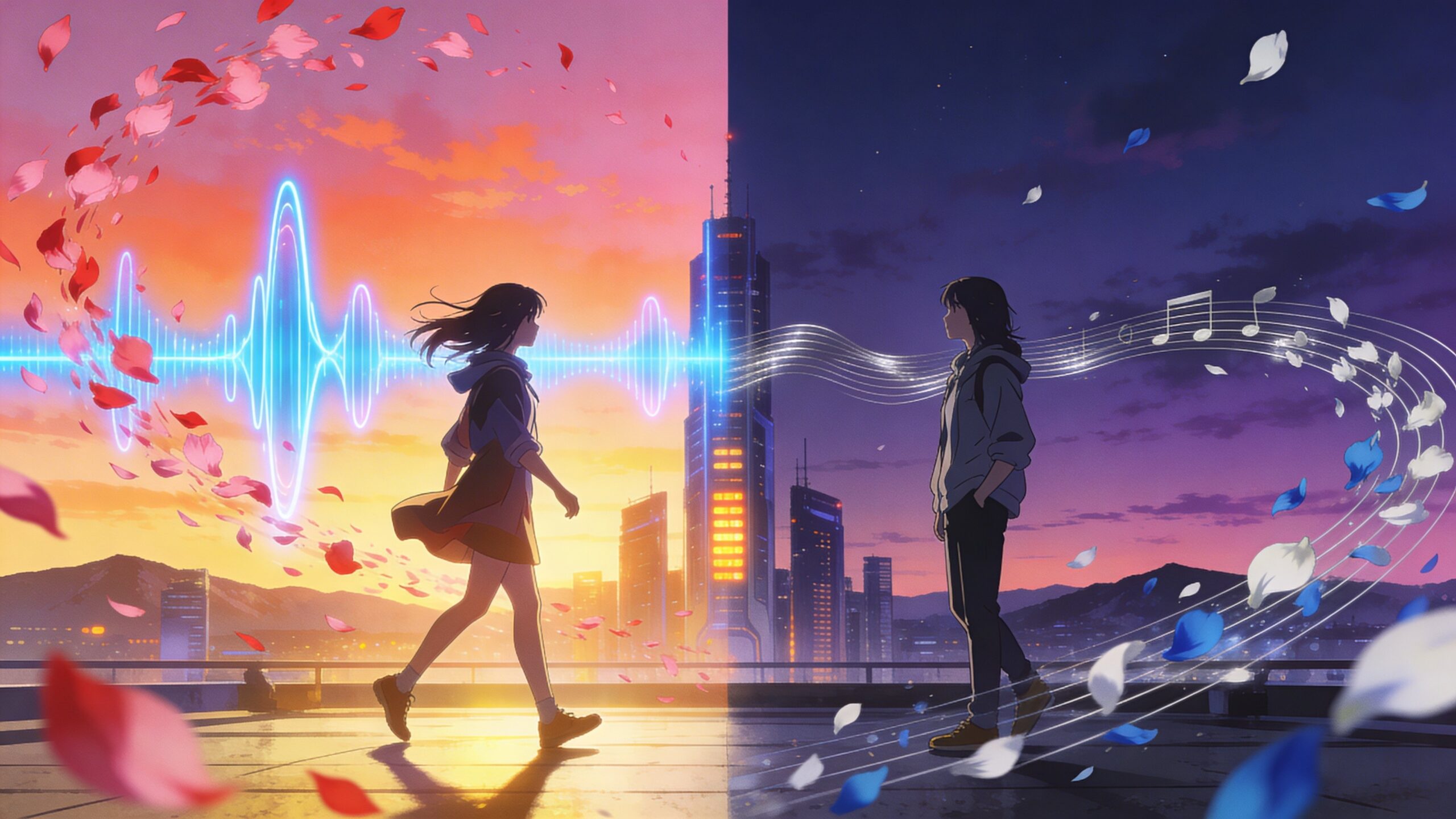
Opening and ending themes are more than stylish bookends in anime—they are emotional signatures that define how a series announces itself and how it leaves its final impression. An opening can arrive like a surge of energy, setting the pulse, color, and identity of the world in seconds. An ending often does the opposite, slowing the heartbeat, reframing the episode’s mood, and giving viewers a space to reflect, dream, or linger in the afterglow of the story. This Opening & Ending Themes hub explores the artistry behind those unforgettable first and last moments. It gathers articles that dive into visual symbolism, lyrical mood, song structure, tonal contrast, and the way theme sequences evolve alongside characters and arcs. From explosive intros that promise momentum to quiet outros that deepen emotion, this space highlights how anime transforms music and imagery into ritual. Every sequence carries intention, and together they help shape memory, atmosphere, and attachment in ways that feel immediate, cinematic, and distinctly anime.
A: A strong mix of music, visual rhythm, symbolism, and emotional clarity.
A: They usually aim for reflection, calm, or emotional release rather than momentum.
A: Yes, they often reinforce tone, character emotion, or thematic direction.
A: To reflect a new arc, tone shift, or narrative development.
A: Not always; many use symbolic imagery that only becomes clear later.
A: Simplicity can strengthen mood, intimacy, and emotional focus.
A: Yes, it can deepen identity, memory, and emotional connection.
A: Color helps communicate tone, contrast, and symbolic meaning quickly.
A: They are designed to create excitement and establish a bold first impression.
A: Emotional resonance, tonal control, and a lasting sense of atmosphere.