Anime armor and battle gear do more than protect characters. They reveal role, culture, rank, fighting style, technology, trauma, and identity. A uniform, exosuit, cloak, blade, gauntlet, mask, helmet, or cursed armor can tell viewers what kind of story they are entering.
A: Look for clear tone, memorable characters, strong scene craft, and a reason the story sticks.
A: No. Popularity shows reach, but quality depends on execution and viewer fit.
A: The biggest mistake is ranking scale above clarity and stakes.
A: Sometimes, but accessible pacing and personal taste matter more.
A: Yes, when visuals carry mood, theme, character, or worldbuilding.
A: Compare what each show is trying to do, not only which is bigger.
A: No. They are valuable when they fit a viewer better than obvious picks.
A: Setup, character pressure, direction, music, and consequence.
A: It is best for fans who want momentum, spectacle, and character growth.
A: Mix trusted favorites with one unfamiliar title that expands your taste.
Why Anime Armor and Battle Gear Matter
Anime armor and battle gear do more than protect characters. They reveal role, culture, rank, fighting style, technology, trauma, and identity. A uniform, exosuit, cloak, blade, gauntlet, mask, helmet, or cursed armor can tell viewers what kind of story they are entering.
Berserk, Attack on Titan, Naruto, Bleach, Demon Slayer, Gundam, Evangelion, Fate, and Fullmetal Alchemist all use battle gear differently. Some gear is practical, some symbolic, some ceremonial, and some dangerous to the person wearing it.
Armor as Burden
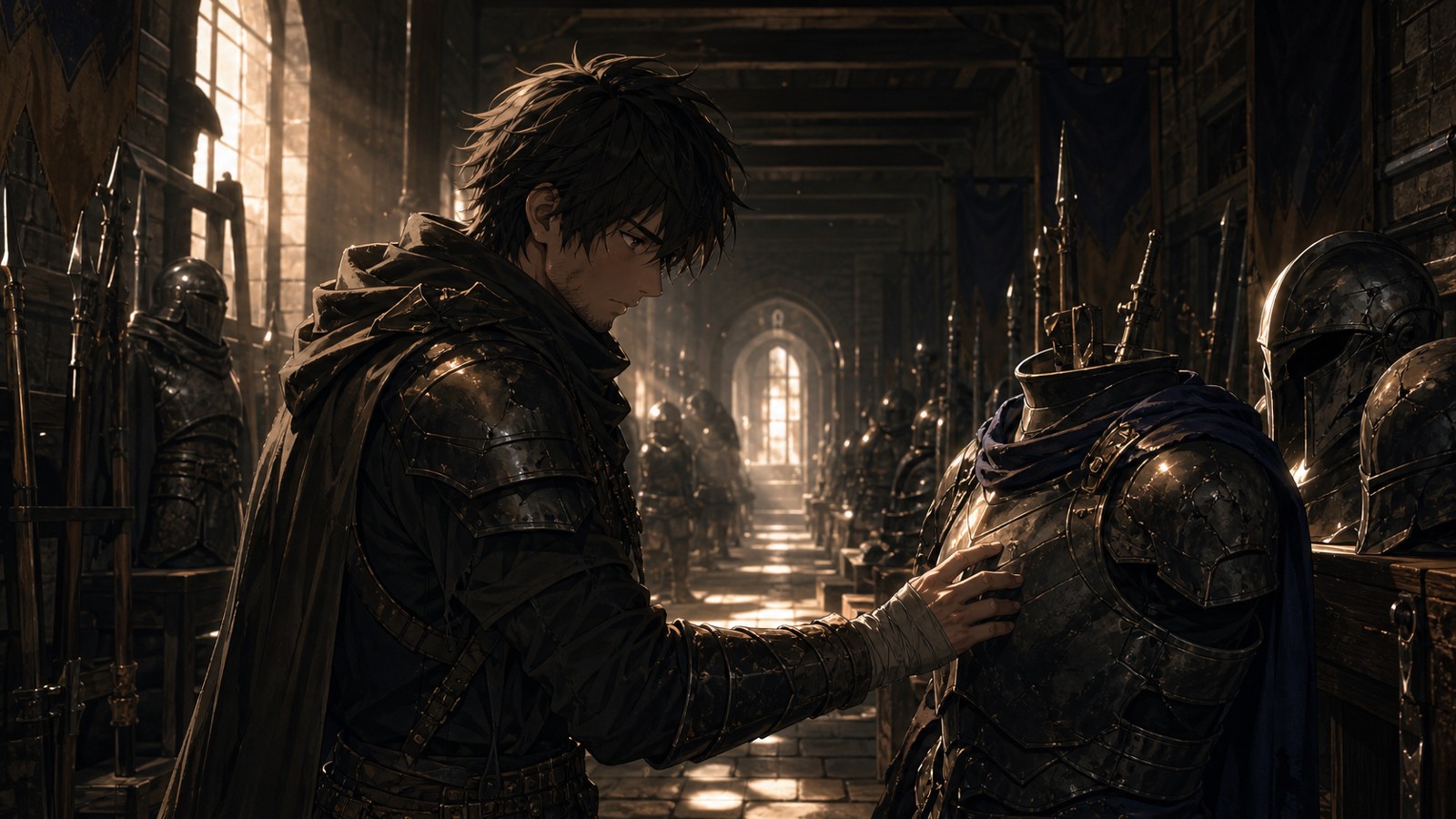
Berserk’s armor imagery is memorable because protection and suffering become linked. Armor can keep a character alive while also showing how much violence the world has forced onto the body.
Attack on Titan uses military gear and maneuver equipment to make survival feel technical and risky. The gear changes how characters move, fight, and die.
Uniforms, Clans, and Fighting Systems
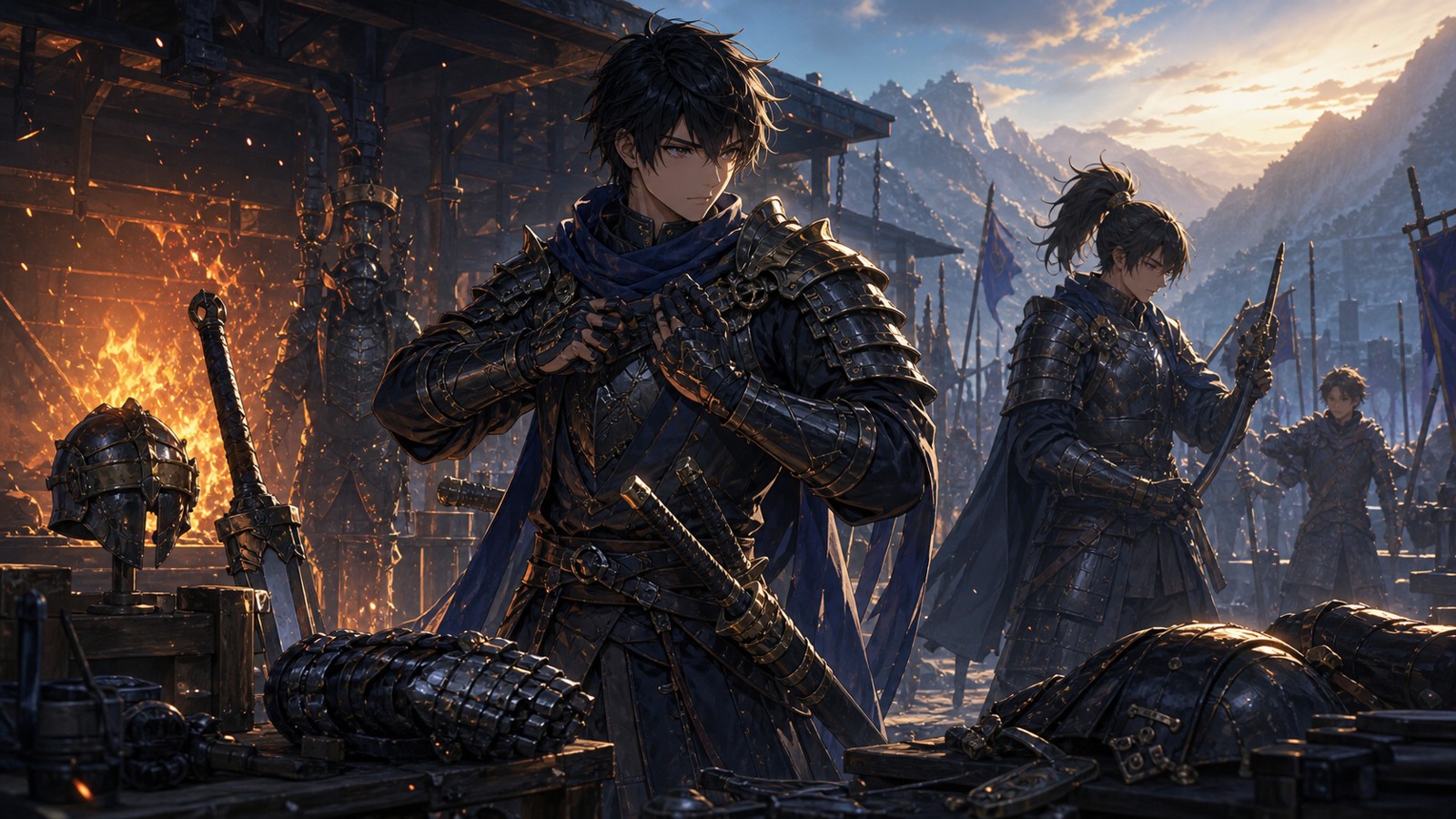
Naruto uses headbands, flak jackets, cloaks, clan symbols, and weapon pouches to connect character identity to village, rank, and training. Demon Slayer uses uniforms, haori patterns, Nichirin swords, and breathing styles to make combat identity visible.
Bleach uses robes, Zanpakuto, masks, and forms to tie battle gear to spiritual identity. The equipment is not separate from the character’s role in the world.
Mecha and Technological Gear
Mecha anime makes armor enormous. Gundam and Evangelion use machines that are not simply vehicles; they are political, psychological, military, and symbolic objects. The pilot’s relationship with the machine becomes part of the story.
This kind of gear changes scale. A personal conflict can become a battlefield, city threat, or cosmic event because the equipment magnifies the character’s choices.
How to Rank Battle Gear
Rank anime armor and gear by design, story function, recognizability, cost, upgrade path, and how clearly it expresses the wearer. The coolest armor is less interesting if it could belong to anyone.
The strongest battle gear feels inevitable. Once viewers know the character, the gear seems like an extension of their burden, pride, fear, duty, or dream.
FAQ
What is the best anime armor?
Berserk’s armor, Attack on Titan maneuver gear, Gundam mobile suits, Demon Slayer uniforms and swords, and Bleach Zanpakuto are common contenders.
Why is anime battle gear so memorable?
It combines visual design with identity, power systems, movement, rank, and emotional cost.
Is mecha battle gear or a separate genre?
It is both. Mecha is a genre, but the machines also function as battle gear, armor, weapons, and symbols.