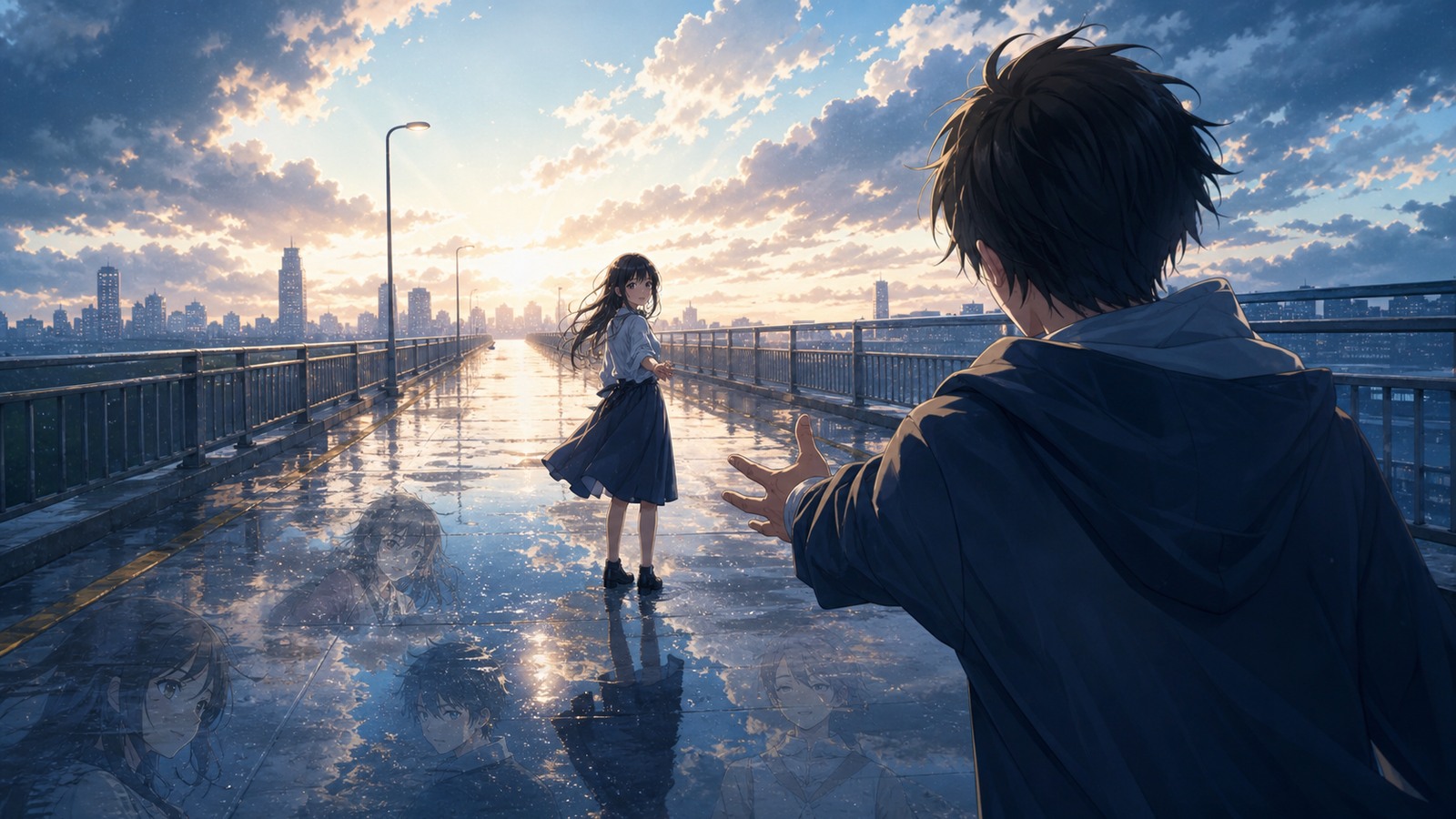
The best anime emotional arcs are not ranked only by how much they make viewers cry. A strong arc changes how a character understands themselves, other people, or the world. The emotion has to be earned through setup, consequence, and visible change.
A: Look for clear tone, memorable characters, strong scene craft, and a reason the story sticks.
A: No. Popularity shows reach, but quality depends on execution and viewer fit.
A: The biggest mistake is confusing hype with lasting impact.
A: Sometimes, but accessible pacing and personal taste matter more.
A: Yes, when visuals carry mood, theme, character, or worldbuilding.
A: Compare what each show is trying to do, not only which is bigger.
A: No. They are valuable when they fit a viewer better than obvious picks.
A: Setup, character pressure, direction, music, and consequence.
A: It is best for anime fans comparing what to watch next.
A: Mix trusted favorites with one unfamiliar title that expands your taste.
How to Rank Anime Emotional Arcs
The best anime emotional arcs are not ranked only by how much they make viewers cry. A strong arc changes how a character understands themselves, other people, or the world. The emotion has to be earned through setup, consequence, and visible change.
Violet Evergarden, Naruto, One Piece, Fullmetal Alchemist, Attack on Titan, Fruits Basket, Your Lie in April, To Your Eternity, Vinland Saga, and A Silent Voice all offer different kinds of emotional payoff.
Healing and Learning to Feel
Violet Evergarden is a major example of an emotional arc built around language, grief, and the slow discovery of feeling. The story’s power comes from watching emotional understanding form through letters, work, memory, and loss.
To Your Eternity uses a non-human perspective to make attachment, death, and memory central. The viewer watches identity gather through relationships.
Friendship, Rivalry, and Recognition
Naruto’s emotional arc is driven by loneliness, recognition, rivalry, and the need to be seen. Sasuke’s path gives that arc its hardest mirror. One Piece builds emotion through found family, dreams, loyalty, and the repeated choice to stand with crewmates.
These arcs endure because they repeat emotional ideas across many episodes without making them feel disposable.
Grief, Guilt, and Responsibility
Fullmetal Alchemist turns grief and guilt into a long moral journey. Edward and Alphonse’s bond gives the story its heart because the plot begins with loss and keeps asking what repair can honestly mean.
A Silent Voice focuses on guilt, isolation, harm, and the difficult possibility of reconnection. It is powerful because healing is not treated as quick or simple.
Tragedy, War, and Moral Change
Attack on Titan, Vinland Saga, and Berserk show darker emotional arcs where trauma, revenge, war, and ideology reshape people over time. These stories are memorable because change carries a cost.
A great emotional arc may end in peace, grief, acceptance, or unresolved tension. What matters is whether the character’s inner movement feels earned.
What Makes Emotional Arcs Last
Lasting emotional arcs use repetition, contrast, and payoff. The audience needs to see who a character was, what pressures changed them, what choices proved the change, and what could not be repaired.
That structure gives fans a reason to remember more than a sad scene. They remember a journey.
FAQ
What anime has the best emotional arc?
Violet Evergarden, Naruto, One Piece, Fullmetal Alchemist, Fruits Basket, Vinland Saga, To Your Eternity, and A Silent Voice are common examples.
What makes an anime arc emotional?
Setup, character vulnerability, consequences, visible change, and earned payoff make an arc emotional.
Are emotional arcs always sad?
No. They can involve healing, friendship, confidence, forgiveness, grief, romance, acceptance, or moral growth.