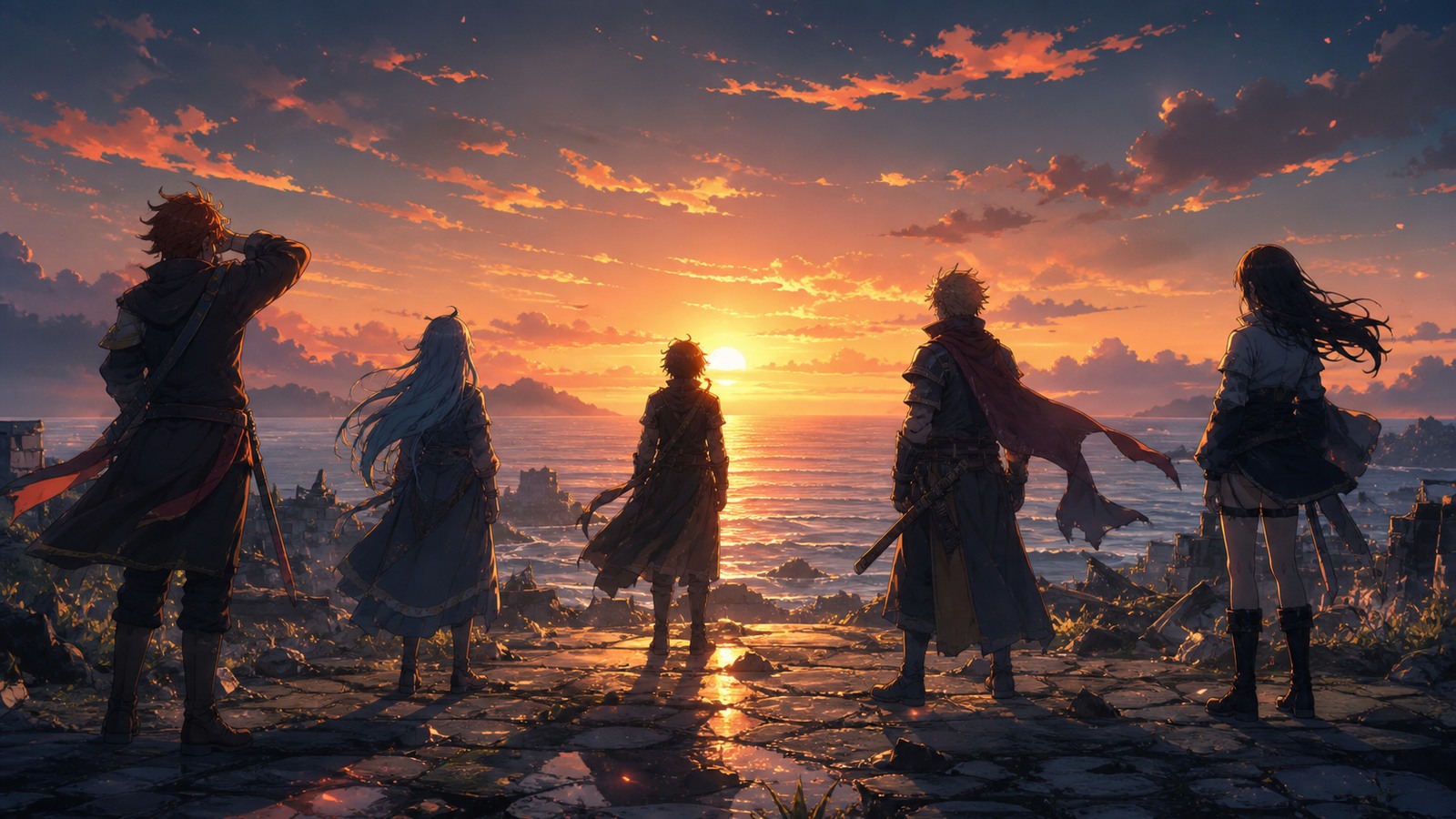
The best anime endings are not only final episodes that avoid mistakes. A strong ending resolves the core emotional question, gives character choices weight, and leaves the viewer with an image or feeling that belongs to that series specifically.
A: Look for clear tone, memorable characters, strong scene craft, and a reason the story sticks.
A: No. Popularity shows reach, but quality depends on execution and viewer fit.
A: The biggest mistake is ranking nostalgia above scene context.
A: Sometimes, but accessible pacing and personal taste matter more.
A: Yes, when visuals carry mood, theme, character, or worldbuilding.
A: Compare what each show is trying to do, not only which is bigger.
A: No. They are valuable when they fit a viewer better than obvious picks.
A: Setup, character pressure, direction, music, and consequence.
A: It is best for fans who remember a show through sound as much as story.
A: Mix trusted favorites with one unfamiliar title that expands your taste.
How to Rank Anime Endings
The best anime endings are not only final episodes that avoid mistakes. A strong ending resolves the core emotional question, gives character choices weight, and leaves the viewer with an image or feeling that belongs to that series specifically.
Fullmetal Alchemist: Brotherhood, Cowboy Bebop, Code Geass, Steins;Gate, Fruits Basket, Mob Psycho 100, Cyberpunk: Edgerunners, Violet Evergarden, and Attack on Titan all create different kinds of ending debate. Some endings are satisfying because they close cleanly. Others stay powerful because they remain painful or ambiguous.
Closure Versus Ambiguity
A clean ending answers the central promise. It shows what changed, what could not be repaired, and what future the characters can now face. Fullmetal Alchemist: Brotherhood is often praised because its ending pays off sacrifice, brotherhood, moral cost, and world conflict in a coherent way.
Ambiguous endings work when uncertainty is part of the point. Cowboy Bebop’s ending remains famous because style, regret, violence, and unresolved past converge in a final mood rather than a tidy explanation.
Emotional Payoff
An ending has to pay off emotion, not just plot. Fruits Basket matters because healing, family, trauma, and acceptance reach a changed emotional state. Violet Evergarden’s ending value comes from language, grief, and learning to understand love.
The audience needs to feel why the journey mattered. A final battle is weaker than a final choice that reveals who the character has become.
Twists, Sacrifice, and Consequence
Code Geass is remembered because its ending turns strategy, guilt, sacrifice, and public image into one final move. Steins;Gate works because timeline mechanics and emotional stakes finally meet. Cyberpunk: Edgerunners lands because consequence is not softened into easy comfort.
A strong ending can be tragic if the tragedy feels earned. Fans accept pain when the story has prepared the cost honestly.
Why Fans Debate Endings
Endings carry unusual pressure because they reshape the memory of the whole anime. A weak ending can make earlier arcs feel wasted. A strong ending can make imperfect episodes feel worthwhile because the destination gives them context.
A fair ranking weighs closure, character truth, theme, rewatch value, and whether the final scenes still feel specific years later.
FAQ
What anime has the best ending?
Common picks include Fullmetal Alchemist: Brotherhood, Cowboy Bebop, Code Geass, Steins;Gate, Fruits Basket, Mob Psycho 100, and Violet Evergarden.
Does a good ending have to be happy?
No. A good ending has to feel earned, emotionally clear, and faithful to the story’s central question.
Why do anime endings divide fans?
Final episodes change how viewers remember the whole series, so expectations around closure, ambiguity, and character fate are intense.