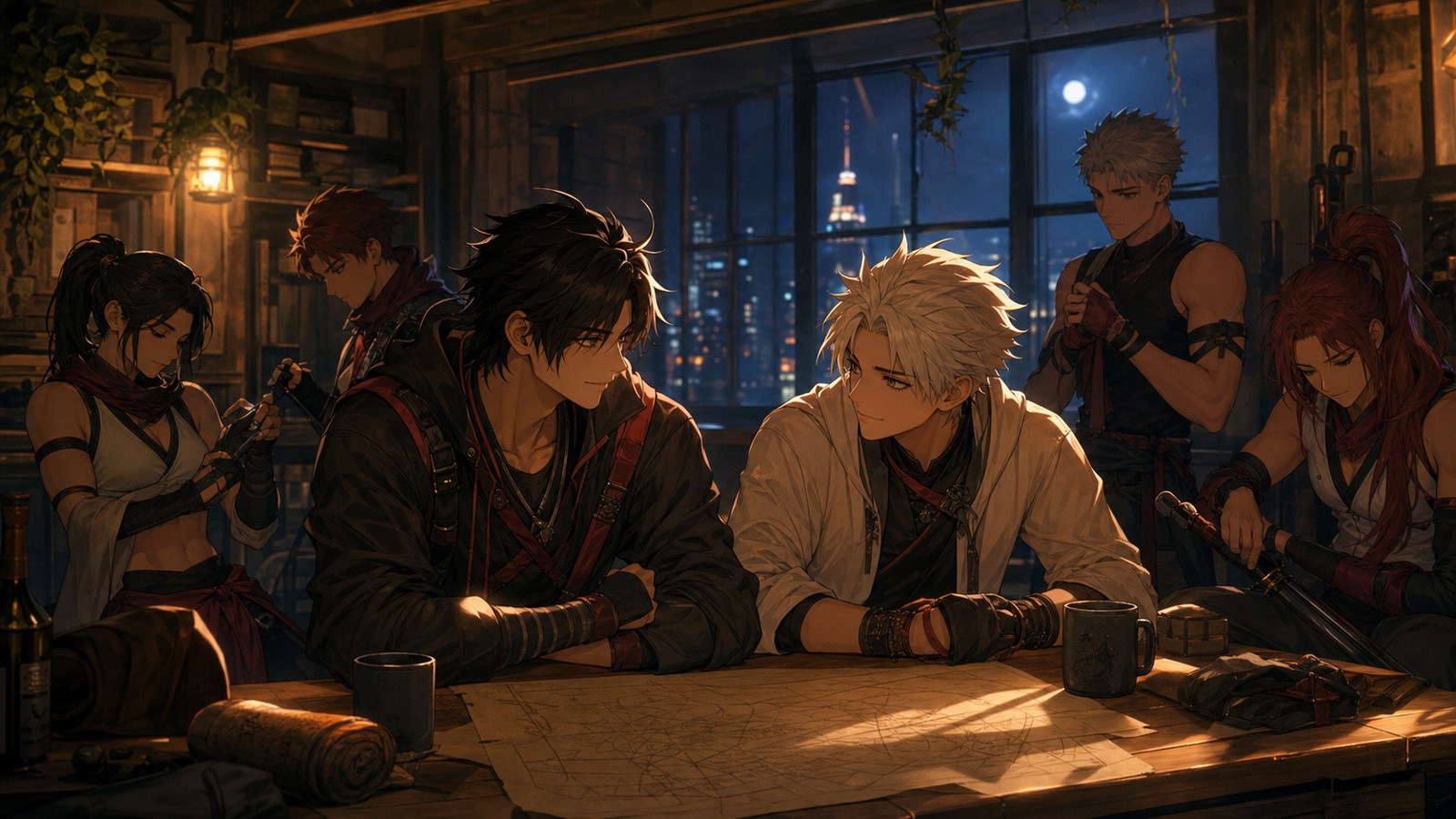
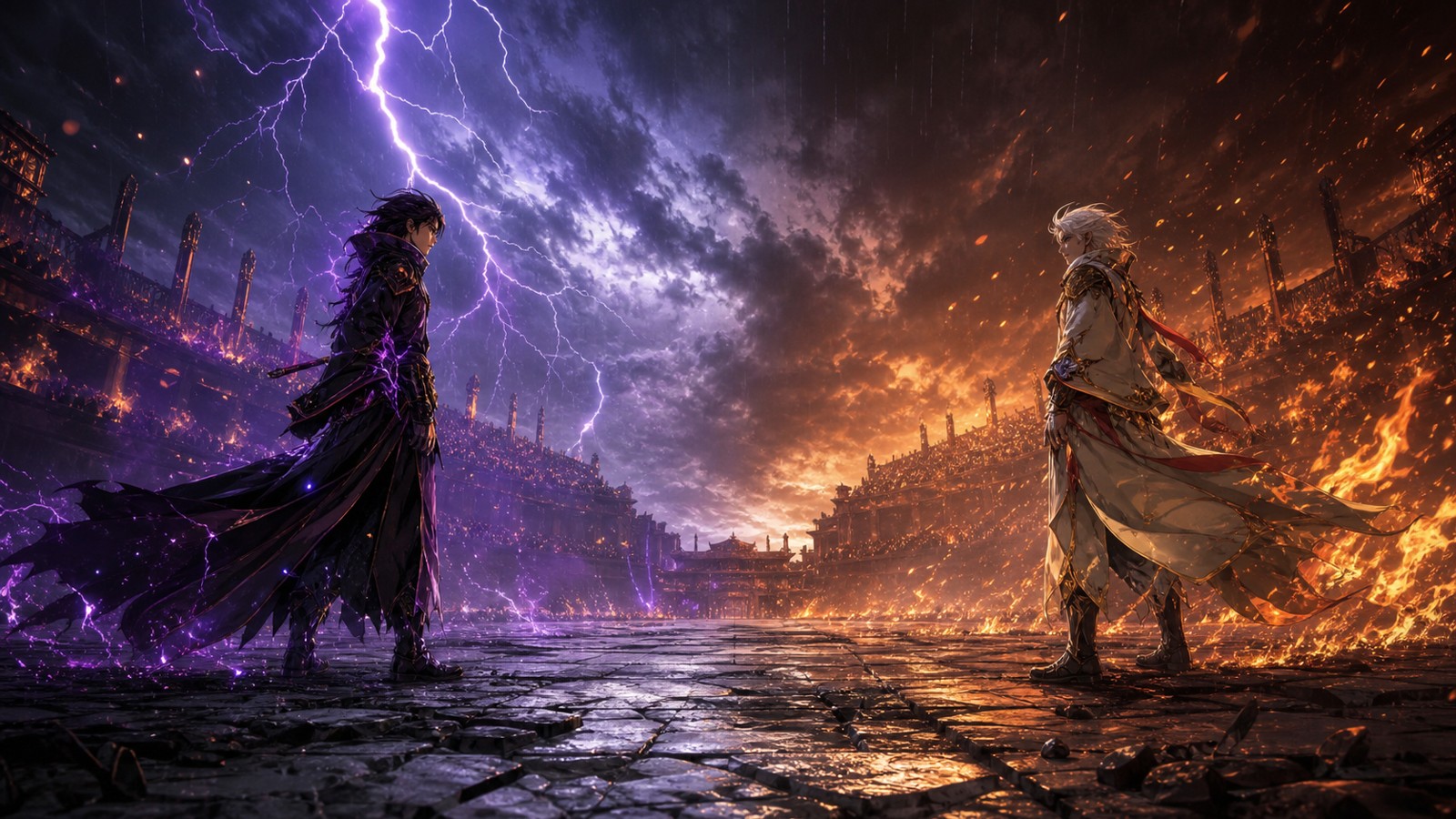
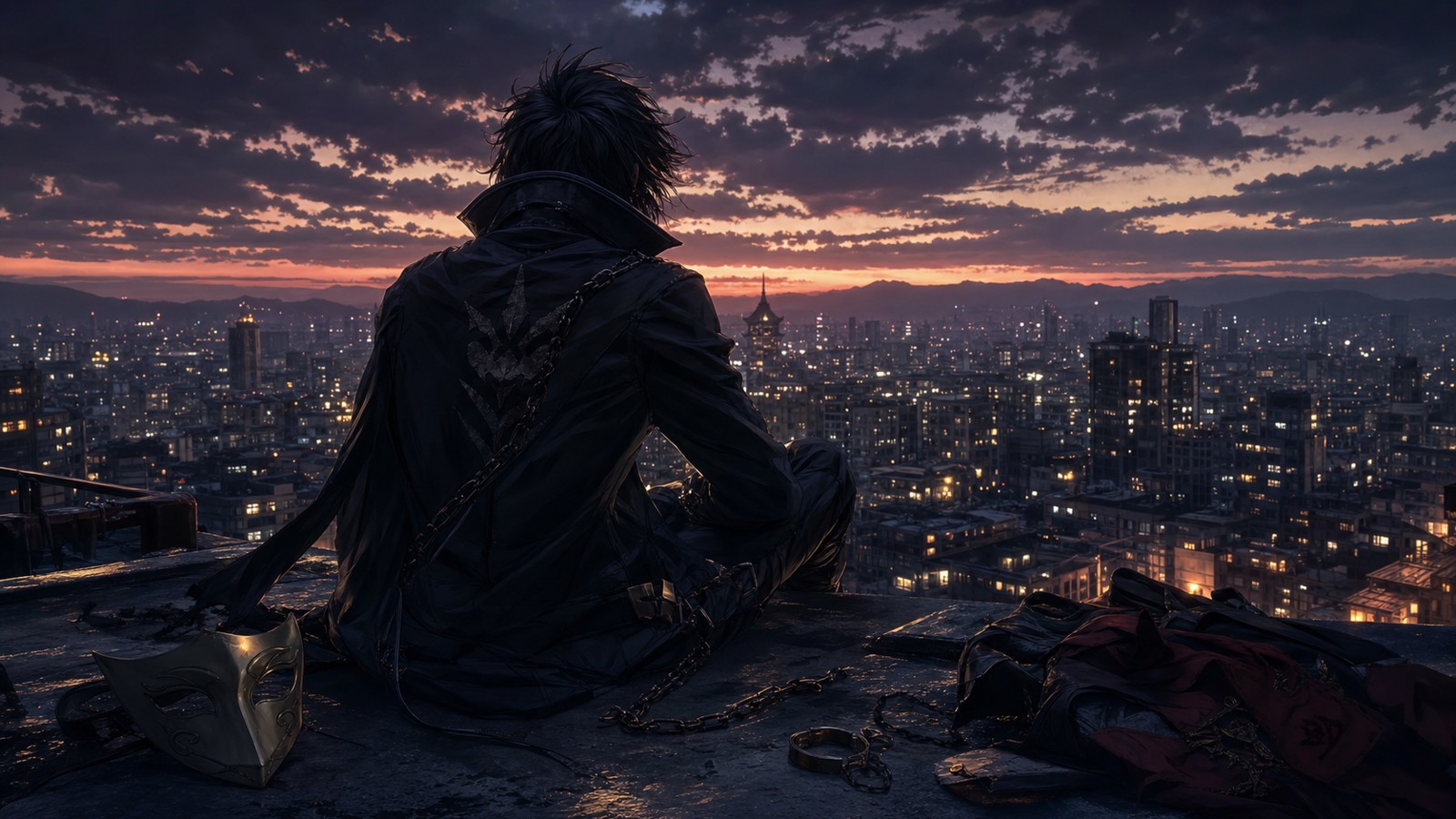
Anime power archetypes are recurring roles in how characters gain, use, or symbolize strength. They help viewers recognize patterns: the underdog, prodigy, berserker, tactician, healer, mentor, chosen one, sealed monster, rival, cursed user, and late-blooming hero.
A: Look for clear tone, memorable characters, strong scene craft, and a reason the story sticks.
A: No. Popularity shows reach, but quality depends on execution and viewer fit.
A: The biggest mistake is ranking scale above clarity and stakes.
A: Sometimes, but accessible pacing and personal taste matter more.
A: Yes, when visuals carry mood, theme, character, or worldbuilding.
A: Compare what each show is trying to do, not only which is bigger.
A: No. They are valuable when they fit a viewer better than obvious picks.
A: Setup, character pressure, direction, music, and consequence.
A: It is best for fans who want momentum, spectacle, and character growth.
A: Mix trusted favorites with one unfamiliar title that expands your taste.
What Power Archetypes Are
Anime power archetypes are recurring roles in how characters gain, use, or symbolize strength. They help viewers recognize patterns: the underdog, prodigy, berserker, tactician, healer, mentor, chosen one, sealed monster, rival, cursed user, and late-blooming hero.
Naruto, Dragon Ball, One Piece, Bleach, Demon Slayer, Jujutsu Kaisen, Hunter x Hunter, My Hero Academia, Black Clover, and Fullmetal Alchemist all use these archetypes in different combinations.
The Underdog and the Prodigy
The underdog begins from disadvantage and earns investment through effort, resilience, and refusal to quit. Naruto, Asta from Black Clover, and early Deku from My Hero Academia all use this pattern.
The prodigy carries different pressure. Sasuke, Killua, Shoto, and many elite fighters are gifted, but the story often asks what talent costs when family, expectation, or isolation comes with it.
The Rival and the Berserker
The rival exists to sharpen the hero. Vegeta, Sasuke, Bakugo, and Kaiba force comparison and growth. The best rival is not only a measuring stick; they have their own wound and direction.
The berserker archetype uses overwhelming force, rage, transformation, or loss of control. Guts, Broly, Eren, and cursed-power users show how strength can become dangerous when emotion overwhelms restraint.
The Tactician and the Trickster
Not every powerful character wins through raw force. Shikamaru, L, Lelouch, Kurapika, and many JoJo characters rely on analysis, deception, timing, and rule exploitation. These archetypes make battles feel like puzzles.
They are especially useful in anime with detailed power systems. Strategy gives viewers a reason to track rules instead of only waiting for a bigger attack.
The Healer, Mentor, and Support Role
Power archetypes are not limited to attackers. Healers, mentors, strategists, scouts, and support characters change the stakes of a team. Sakura, Recovery Girl, Chopper, Urahara, Kakashi, Gojo, and Master Roshi all show different support or teaching roles.
These characters matter because power is social. Teams survive because different strengths interact.
Ranking Archetypes by Story Impact
A strong ranking asks whether the archetype creates character growth, conflict, memorable scenes, and fan discussion. The chosen one can be dull if everything is handed over. The underdog can be thin if effort never meets real cost.
The best power archetypes feel familiar but specific. They give fans a pattern to recognize and a character who complicates it.
FAQ
What are anime power archetypes?
They are recurring character roles based on how power is gained, used, controlled, or symbolized.
What is the most common shonen power archetype?
The underdog hero and rival prodigy are two of the most common.
Why do power archetypes matter?
They help organize character growth, team roles, conflict, training, and fan comparison.