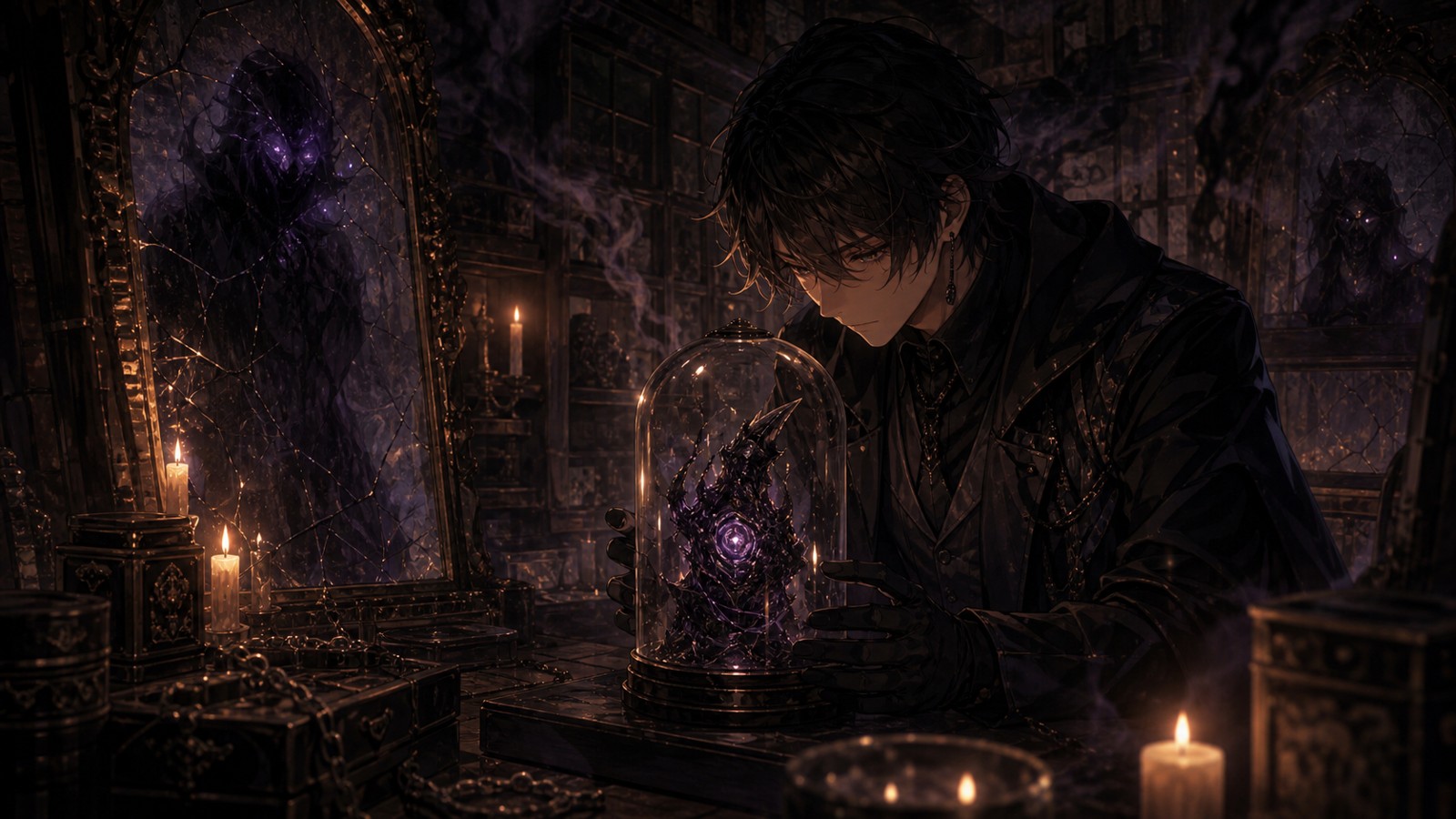
A fan-focused guide to sacred relics in anime and the way legendary objects shape quests, duties, symbols, and conflict.
A: Look for clear tone, memorable characters, strong scene craft, and a reason the story sticks.
A: No. Popularity shows reach, but quality depends on execution and viewer fit.
A: The biggest mistake is confusing hype with lasting impact.
A: Sometimes, but accessible pacing and personal taste matter more.
A: Yes, when visuals carry mood, theme, character, or worldbuilding.
A: Compare what each show is trying to do, not only which is bigger.
A: No. They are valuable when they fit a viewer better than obvious picks.
A: Setup, character pressure, direction, music, and consequence.
A: It is best for anime fans comparing what to watch next.
A: Mix trusted favorites with one unfamiliar title that expands your taste.
Why Sacred Relics Matter In Anime
Sacred relics make anime worlds feel older than the current plot. A relic can hold divine power, ancestral duty, forbidden history, royal legitimacy, spiritual danger, or a promise passed through generations.
Inuyasha’s Shikon Jewel, Sailor Moon’s Silver Crystal, One Piece’s legendary treasures, Fate’s heroic artifacts, Demon Slayer’s swords, Jujutsu Kaisen’s cursed relics, and Naruto’s sealed objects all show how powerful items can organize quests and conflicts.
Relics As Quest Engines
A sacred relic often gives the story a reason to move. Characters search for it, protect it, split it apart, misunderstand it, inherit it, or fight over who deserves it. That structure makes the object useful for adventure storytelling.
Inuyasha uses jewel shards to create movement across locations and enemies. One Piece turns treasure into a vast promise about freedom, history, and the end point of a journey.
Relics As Burdens
The strongest relics are rarely simple prizes. Sailor Moon’s Silver Crystal carries love, sacrifice, protection, and cosmic responsibility. Fate turns heroic weapons and legends into questions about identity, memory, and destiny.
A relic becomes memorable when power and obligation cannot be separated. Owning it changes what others expect from the character.
Sacred Objects and Visual Design
Relics need visual clarity. A crystal, sword, jewel, seal, crown, mask, scroll, or pendant has to look distinct enough for fans to remember it. Color, glow, shape, ornament, and how characters handle the object all contribute to its meaning.
Demon Slayer’s Nichirin swords and Jujutsu Kaisen’s cursed fingers are very different objects, but both prove that shape and story context can make an item instantly recognizable.
How To Rank Anime Sacred Relics
Rank sacred relics by story impact, visual identity, emotional cost, rule clarity, and how strongly the object changes character decisions. The most powerful relic is not always the best one.
A great relic makes the world feel deeper, gives characters something dangerous to choose around, and remains recognizable after the episode ends.
FAQ
What is a sacred relic in anime?
It is a powerful or spiritually important object tied to history, duty, divinity, legend, or forbidden knowledge.
What are famous anime relics?
The Shikon Jewel, Silver Crystal, Fate artifacts, Demon Slayer swords, cursed objects in Jujutsu Kaisen, and legendary treasures in One Piece are common examples.
Why do anime stories use relics?
Relics create quests, conflict, inheritance, temptation, and visible symbols of power or responsibility.