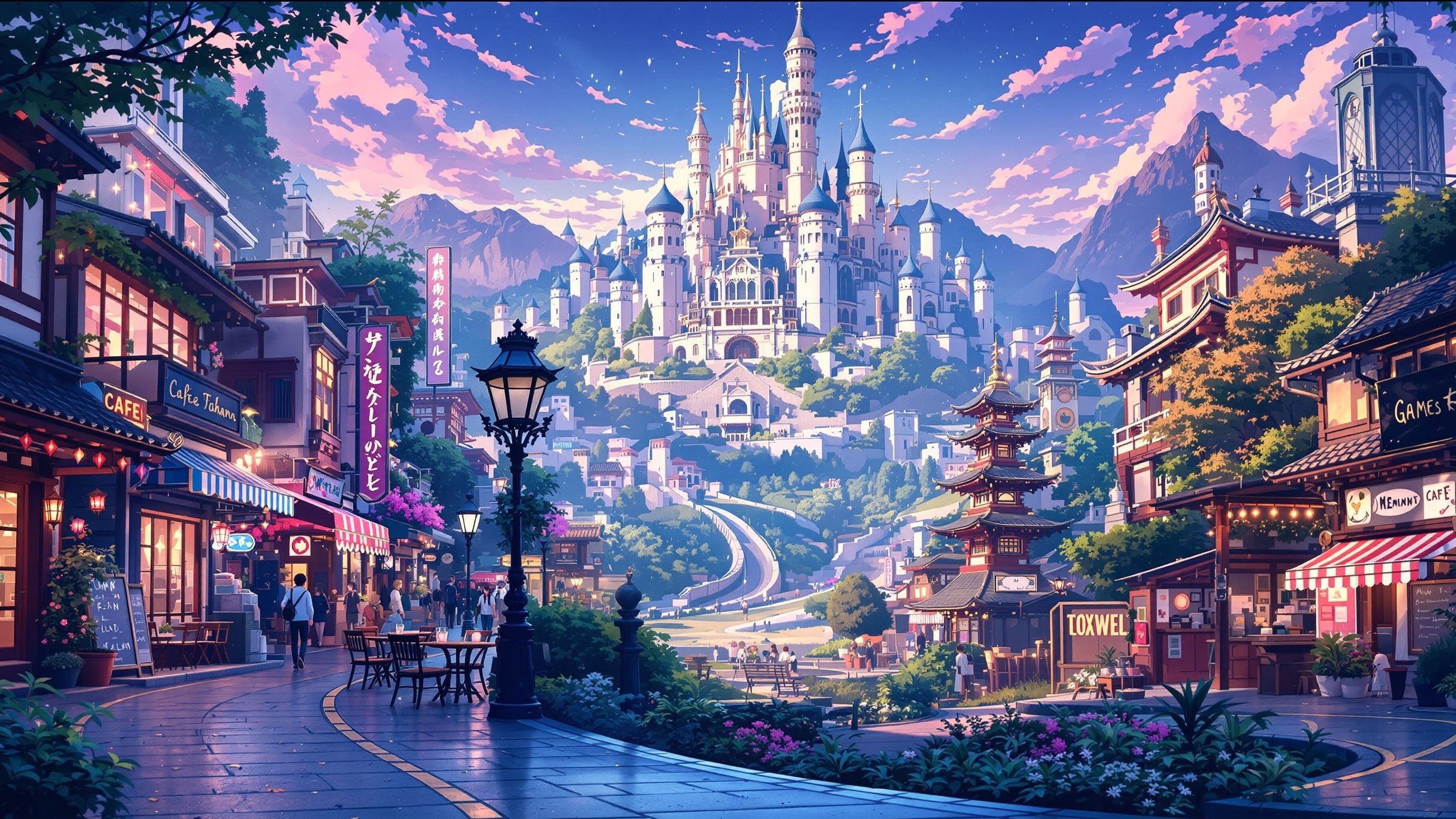
Anime fashion trends spread because character design makes clothing memorable. A jacket, uniform, sneaker shape, school bag, cloak, cyberpunk coat, magical-girl accessory, or streetwear silhouette can become part of how fans express taste outside the screen.
A: Look for clear tone, memorable characters, strong scene craft, and a reason the story sticks.
A: No. Popularity shows reach, but quality depends on execution and viewer fit.
A: The biggest mistake is mistaking low stakes for weak craft.
A: Sometimes, but accessible pacing and personal taste matter more.
A: Yes, when visuals carry mood, theme, character, or worldbuilding.
A: Compare what each show is trying to do, not only which is bigger.
A: No. They are valuable when they fit a viewer better than obvious picks.
A: Setup, character pressure, direction, music, and consequence.
A: It is best for viewers looking for warmth, charm, or character-first storytelling.
A: Mix trusted favorites with one unfamiliar title that expands your taste.
Why Anime Fashion Influences Real Style
Anime fashion trends spread because character design makes clothing memorable. A jacket, uniform, sneaker shape, school bag, cloak, cyberpunk coat, magical-girl accessory, or streetwear silhouette can become part of how fans express taste outside the screen.
Sailor Moon, Naruto, Bleach, One Piece, Nana, Akira, Cyberpunk: Edgerunners, Demon Slayer, Jujutsu Kaisen, My Hero Academia, and Ghibli films all influence fashion conversations in different ways.
Streetwear and Shonen Identity
Shonen fashion often works through bold silhouettes and recognizable layers. Naruto’s orange outfit, Bleach’s black robes and casual fits, One Piece’s hats and coats, and Jujutsu Kaisen’s school-uniform styling give fans wearable cues without requiring full cosplay.
Streetwear takes especially well to anime because both value graphic identity. Hoodies, oversized tees, varsity jackets, sneakers, caps, and bags can carry a symbol, clan mark, character palette, or title logo.
School Life, Uniforms, and Everyday Style
School uniforms are one of anime’s most familiar fashion languages. They create instant context, but small variations reveal personality: socks, ties, jackets, bags, hair accessories, shoes, and how neatly the uniform is worn.
Sailor Moon blends school-life style with magical-girl transformation. My Hero Academia contrasts uniforms with individualized hero costumes. Slice-of-life anime often makes ordinary outfits feel aspirational through color, fit, and seasonal detail.
Sci-Fi, Cyberpunk, and Future Clothing
Akira and cyberpunk anime made technical jackets, red bikes, military details, neon lighting, and urban futurism part of anime fashion memory. Cyberpunk: Edgerunners continued that appeal with saturated color, body-modification imagery, and street-level tech style.
Sci-fi fashion works when it still feels wearable enough to imagine. Fans remember clothing that looks functional inside its world and striking outside it.
From Cosplay To Daily Wear
Anime-inspired fashion ranges from full cosplay to subtle daily styling. A haori pattern from Demon Slayer, a Straw Hat accent, a Survey Corps jacket, a magical-girl accessory, or a Ghibli-inspired soft palette can all signal fandom at different intensities.
The strongest trend pieces survive because they work as clothing first. They have shape, color, comfort, and identity beyond the reference.
FAQ
What anime influences fashion the most?
Sailor Moon, Naruto, Bleach, One Piece, Nana, Akira, Demon Slayer, Jujutsu Kaisen, and Cyberpunk: Edgerunners are common examples.
Is anime streetwear the same as cosplay?
No. Anime streetwear usually adapts symbols, colors, silhouettes, and graphics into everyday clothing rather than copying a full costume.
Why are anime uniforms popular?
Uniforms are recognizable, flexible, and easy to personalize through accessories, fit, color, and character associations.