Why Studio Art Styles Matter
Animation is instantly recognizable not by story alone, but by how that story looks and moves. Long before viewers learn character names or plot details, they absorb visual cues that signal which creative world they’ve entered. Animation studios develop signature art styles that act as visual fingerprints, shaping audience expectations and emotional responses. These styles are not accidents of taste, but deliberate creative systems refined over years of production.
A: To create recognizable visual identity.
A: No, they provide structure for innovation.
A: Yes, through gradual refinement.
A: Art directors and lead designers.
A: Strongly, but identity remains.
A: Tools support, vision defines.
A: Consistent visual language.
A: Yes, within a shared framework.
A: Absolutely, at every level.
A: Emotional and visual consistency.
The Building Blocks of Visual Identity
Every studio’s look begins with foundational choices. Line thickness, shape language, color saturation, and compositional balance form the core of an animation style. Some studios favor sharp angular designs that communicate intensity and speed, while others rely on rounded forms that suggest warmth and approachability. These elements remain consistent across projects, even as genres and stories change.
Line Work and Character Silhouettes
Line work plays a critical role in studio identity. Clean, minimalist lines can make animation feel modern and precise, while sketch-like strokes create a hand-crafted, expressive tone. Character silhouettes are equally important. Strong silhouettes allow characters to be recognizable in motion, even without detail. Studios refine these shapes carefully, ensuring that characters feel cohesive within their worlds.
Color Palettes and Emotional Tone
Color choices define mood before dialogue ever begins. Some studios rely on high-contrast palettes that energize scenes and heighten drama, while others embrace muted tones that create realism or emotional subtlety. Consistent color theory across backgrounds, characters, and lighting helps unify a studio’s output and makes its work instantly identifiable to experienced viewers.
Background Art as World-Building
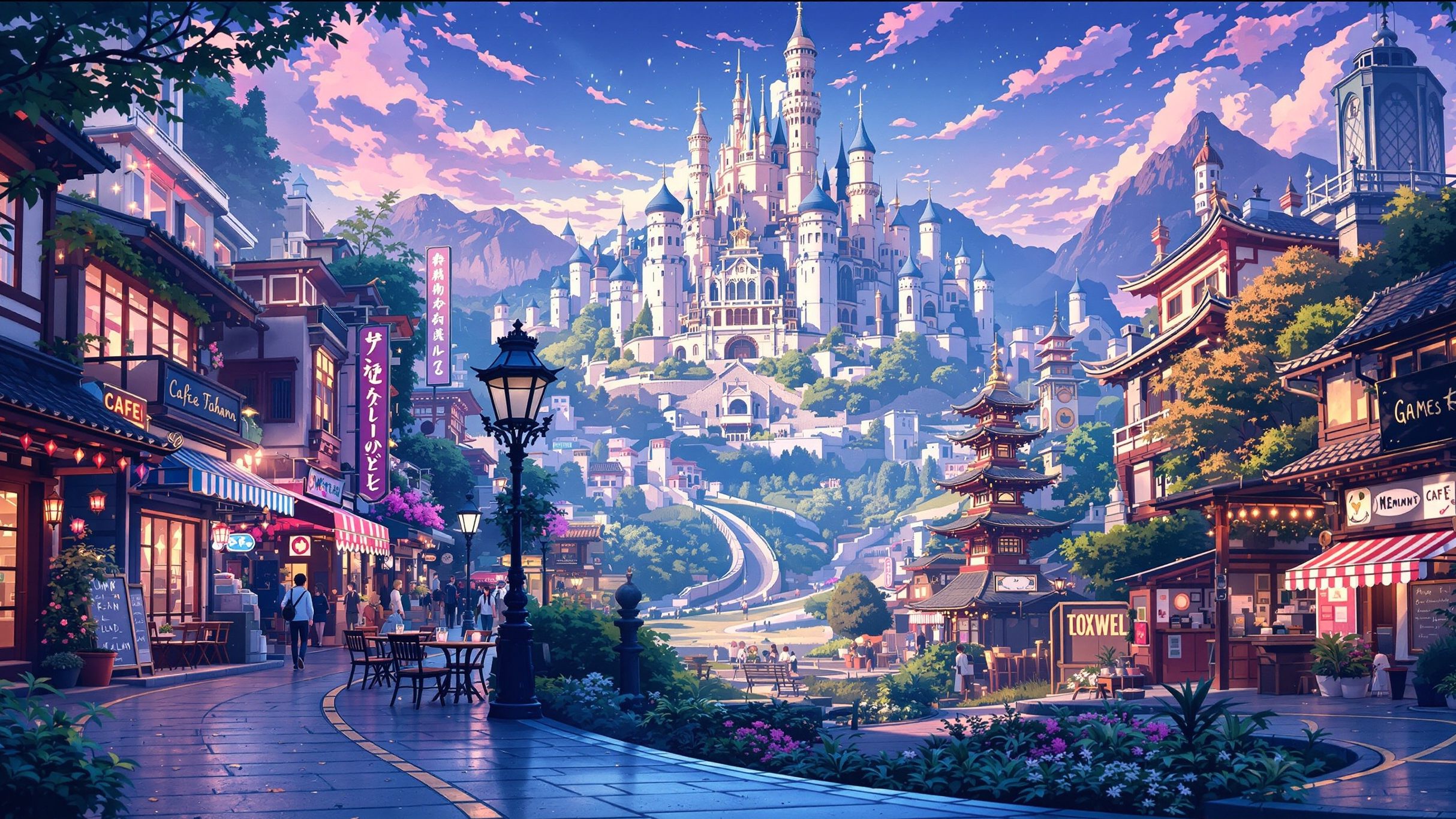
Backgrounds do more than fill space. They establish atmosphere, scale, and narrative context. Certain studios lean into painterly, highly detailed environments that feel alive, while others prefer simplified backdrops that keep focus on characters. These choices influence pacing and emotional resonance, reinforcing a studio’s artistic philosophy.
Animation Timing and Motion Style
Movement is where style truly comes alive. Animation timing, frame density, and exaggeration levels vary widely between studios. Some favor fluid, highly detailed motion that emphasizes realism, while others embrace limited animation paired with expressive poses. These decisions shape how characters feel emotionally and physically within a scene.
Studio Pipelines and Artistic Consistency
Behind every signature style is a production pipeline designed to preserve consistency. Art directors create visual bibles that define proportions, color usage, lighting rules, and motion standards. These guides ensure that large teams of artists can collaborate while maintaining a unified look, even across long-running series or multi-year projects.
Influence of Genre on Studio Style
While studios maintain core identities, genres influence stylistic expression. Action-heavy projects often amplify sharp lines and dynamic camera movement, while slice-of-life stories lean toward softer palettes and relaxed compositions. The strongest studios adapt their styles to genre demands without losing their visual voice.
Cultural and Historical Influences
Studio art styles often reflect cultural roots and historical influences. Traditional art techniques, regional aesthetics, and past animation movements shape how studios approach design. These influences give depth to visual identity, connecting modern animation to broader artistic traditions.
Character Design Philosophy
Character design reflects a studio’s storytelling priorities. Some studios prioritize realism, focusing on anatomical accuracy and subtle expressions. Others exaggerate features to enhance emotion and visual clarity. These philosophies guide how audiences emotionally connect with characters and interpret their personalities.
Technological Evolution and Style Preservation
As animation technology evolves, studios face the challenge of adopting new tools without losing their identity. Digital workflows, advanced lighting, and compositing techniques can enhance visuals, but only when integrated thoughtfully. Successful studios use technology to refine their styles rather than replace them.
Comparing Studio Styles Across Mediums
Signature styles extend beyond television series into films, games, and promotional art. A studio’s visual language must translate across formats while remaining recognizable. This adaptability strengthens brand identity and deepens audience trust.
Audience Recognition and Brand Loyalty
Viewers often form emotional attachments to studio styles. Recognizing a studio’s look creates anticipation and trust, encouraging audiences to explore new projects simply because of who made them. Visual identity becomes a form of storytelling shorthand that speaks directly to fans.
The Role of Art Directors
Art directors serve as guardians of studio style. They interpret creative goals, guide artists, and make decisions that balance innovation with consistency. Their influence ensures that each project feels fresh while still unmistakably belonging to the studio’s creative lineage.
Style Evolution Over Time
No studio remains visually static. Styles evolve in response to audience feedback, technological shifts, and artistic growth. The most enduring studios refine their aesthetics gradually, allowing evolution without abandoning their core visual principles.
Cross-Studio Inspiration and Influence
Studios learn from one another. Visual trends spread, adapt, and transform as artists move between teams and projects. These exchanges enrich the animation landscape while pushing studios to clarify what makes their own style unique.
Visual Storytelling Beyond Dialogue
Art style communicates themes, tone, and subtext without words. Color shifts can foreshadow change, line distortion can reflect emotional turmoil, and motion pacing can heighten tension. Studio styles act as narrative tools, guiding viewer interpretation on a subconscious level.
Why Signature Styles Endure
Signature styles endure because they are systems, not surface-level choices. They integrate art direction, storytelling philosophy, and production discipline into a cohesive whole. This depth allows studios to explore diverse stories while remaining visually distinct.
The Future of Studio Art Styles
As animation continues to globalize, studio styles will blend influences from around the world. The future promises more hybrid aesthetics, but the need for clear visual identity will remain essential. Studios that balance innovation with consistency will continue to define the medium.
Final Thoughts on Visual Identity
Animation studios create signature looks through deliberate choices, sustained discipline, and creative vision. These styles shape how stories feel, how characters resonate, and how audiences remember the worlds they visit. Understanding studio art styles reveals animation not just as entertainment, but as a living visual language.