How To Rank Anime Animation Techniques
Anime animation techniques deserve ranking by story value, not just by how expensive a scene looks. A technique matters when viewers can see what it changes: speed, emotion, impact, comedy, fear, elegance, or clarity.
A: Look for clear tone, memorable characters, strong scene craft, and a reason the story sticks.
A: No. Popularity shows reach, but quality depends on execution and viewer fit.
A: The biggest mistake is confusing hype with lasting impact.
A: Sometimes, but accessible pacing and personal taste matter more.
A: Yes, when visuals carry mood, theme, character, or worldbuilding.
A: Compare what each show is trying to do, not only which is bigger.
A: No. They are valuable when they fit a viewer better than obvious picks.
A: Setup, character pressure, direction, music, and consequence.
A: It is best for anime fans comparing what to watch next.
A: Mix trusted favorites with one unfamiliar title that expands your taste.
How To Rank Anime Animation Techniques
Anime animation techniques deserve ranking by story value, not just by how expensive a scene looks. A technique matters when viewers can see what it changes: speed, emotion, impact, comedy, fear, elegance, or clarity.
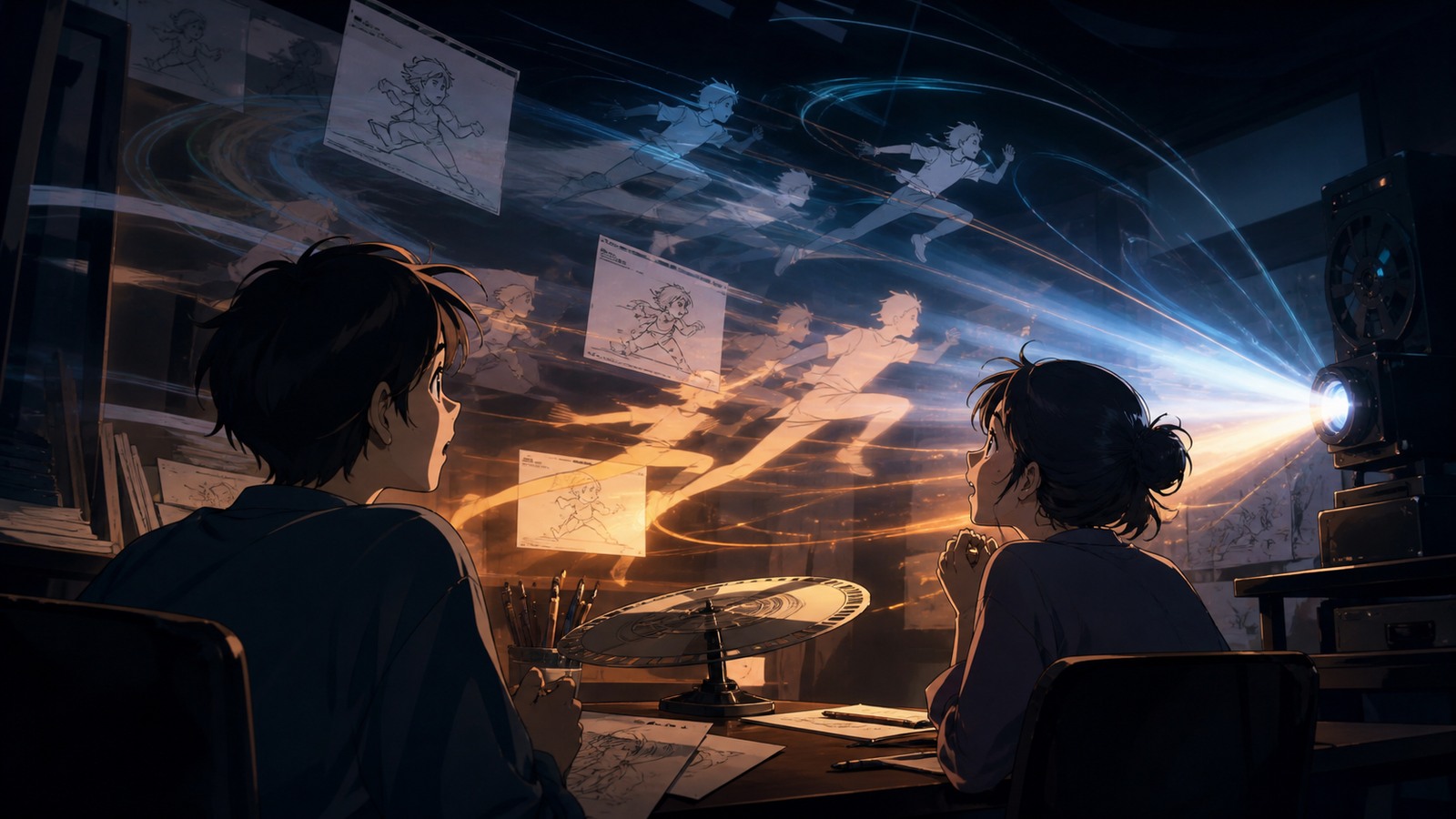
The best entries have a visible function. Limited animation, sakuga cuts, effects animation, character acting, impact frames, smears, background animation, CG-assisted camera moves, rotoscoping, and compositing all create different kinds of fan response.
Limited Animation Used Expressively
Limited animation is sometimes misunderstood as only a budget shortcut. Anime often uses held poses, repeated cycles, sharp cuts, sliding backgrounds, and selective movement as expressive tools. A still frame can create tension when the composition is strong.
Comedy can also benefit from limited motion. A sudden freeze, cutaway, or exaggerated pose can land harder than constant movement. Ranking this technique high makes sense when restraint becomes style.
Sakuga and Standout Cuts
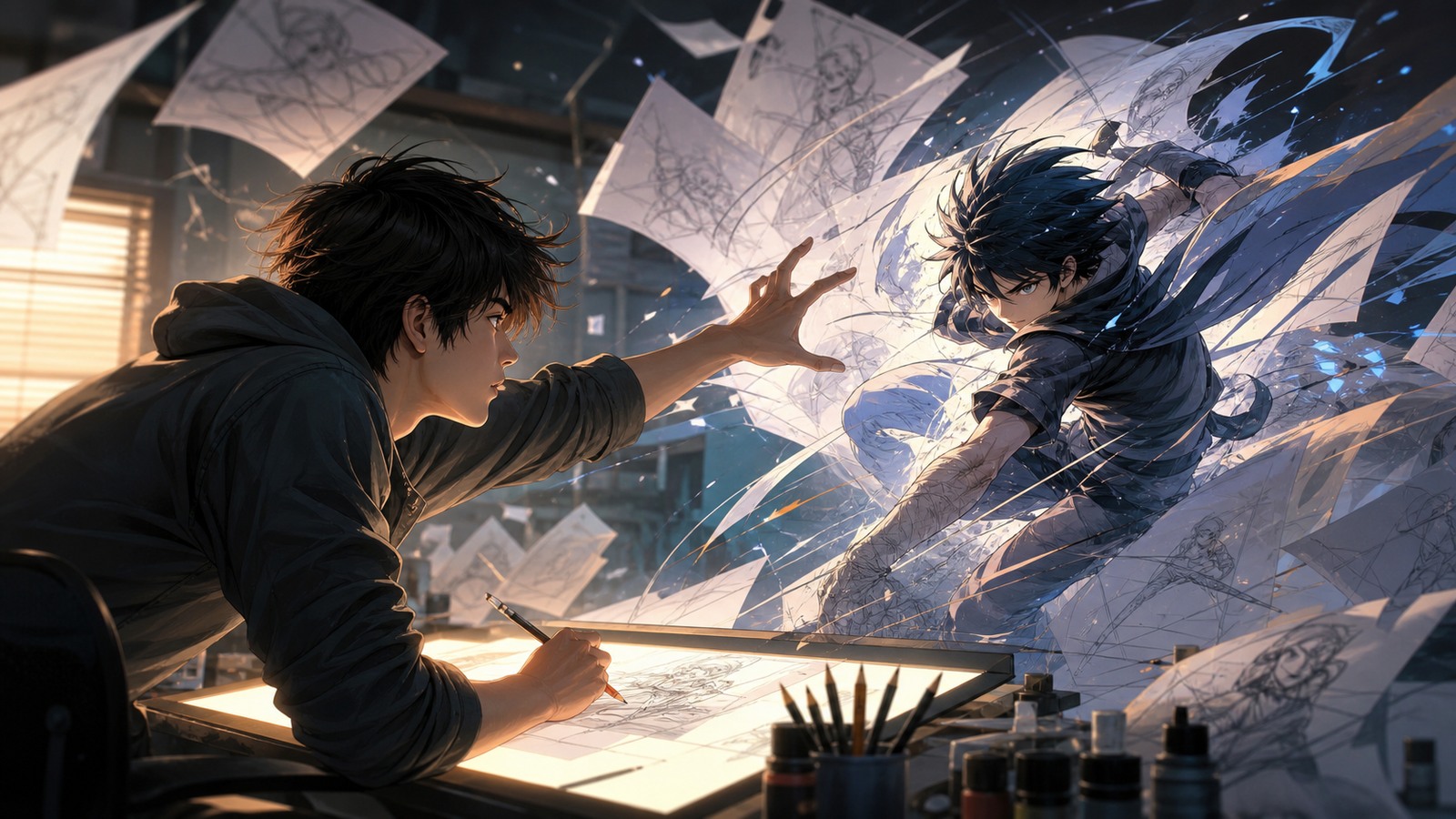
Sakuga is a fan term often used for standout animation cuts where drawing, timing, spacing, and movement become especially impressive. These moments can make a fight, chase, dance, transformation, or emotional turn spread quickly through fan communities.
A strong sakuga moment is not only smooth. It has purpose. It clarifies weight, speed, character skill, or emotional escalation.
Effects Animation
Effects animation covers fire, water, smoke, electricity, cursed energy, explosions, debris, dust, magic, and impact shapes. In action anime, effects can make a power system readable. Viewers understand force because the effect has motion logic.
Demon Slayer is a useful modern example because stylized effects help attacks feel symbolic as well as physical. The effect design gives the action identity.
Character Acting
Character acting may be less flashy than battle animation, but it often has deeper story impact. A glance, flinch, breath, hand movement, or posture shift can reveal emotion without dialogue. Kyoto Animation is frequently discussed for this kind of careful acting.
This technique ranks highly because it supports every genre. Romance, drama, comedy, sports, fantasy, and slice-of-life all need bodies that communicate feeling.
Smears, Deformation, and Impact Frames
Smears and deformation stretch drawings to make motion feel faster or more elastic. Impact frames use striking shapes or contrast at the point of force. These techniques can make a punch, leap, crash, or comedic reaction feel alive.
They work because animation is not photography. Drawings can bend for clarity and feeling.
CG Support and Camera Movement
Modern anime sometimes uses CG models, 3D backgrounds, and digital compositing to support complex camera movement. This can create sweeping action paths, rotating environments, and mechanical detail that would be difficult to handle entirely by hand.
The best use blends the tools into the shot’s purpose. The weakest use calls attention to itself without improving clarity or emotion.
FAQ
What is sakuga?
Sakuga is commonly used by fans for standout animation cuts where drawing and motion quality become especially noticeable.
Is limited animation bad?
No. It can be expressive when timing, composition, and selective movement are used well.
What animation technique is best for action anime?
Effects animation, impact frames, smears, and strong layout all matter, but the best choice depends on the scene.