Animation Techniques Fans Remember
Memorable anime animation techniques give fans something specific to notice. A viewer may not know the production term at first, but they can feel the difference when a fight suddenly becomes fluid, a face trembles with emotion, or a background seems to move with the character.
A: Look for clear tone, memorable characters, strong scene craft, and a reason the story sticks.
A: No. Popularity shows reach, but quality depends on execution and viewer fit.
A: The biggest mistake is confusing hype with lasting impact.
A: Sometimes, but accessible pacing and personal taste matter more.
A: Yes, when visuals carry mood, theme, character, or worldbuilding.
A: Compare what each show is trying to do, not only which is bigger.
A: No. They are valuable when they fit a viewer better than obvious picks.
A: Setup, character pressure, direction, music, and consequence.
A: It is best for anime fans comparing what to watch next.
A: Mix trusted favorites with one unfamiliar title that expands your taste.
Animation Techniques Fans Remember
Memorable anime animation techniques give fans something specific to notice. A viewer may not know the production term at first, but they can feel the difference when a fight suddenly becomes fluid, a face trembles with emotion, or a background seems to move with the character.
The most memorable techniques include limited animation, sakuga cuts, effects animation, character acting, impact frames, smears, deformation, background animation, CG support, and expressive compositing.
Limited Animation With Strong Direction
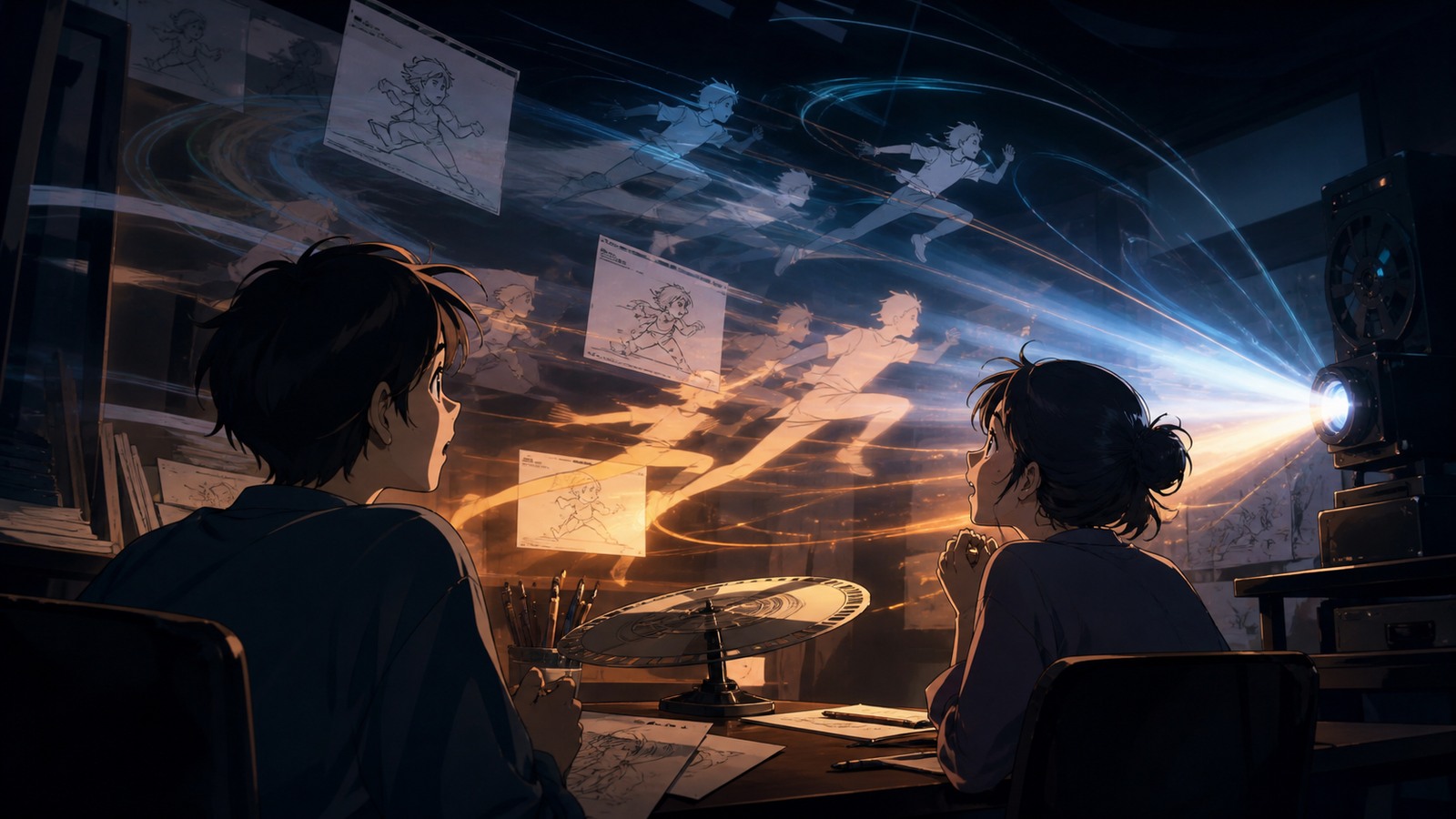
Anime often uses selective movement rather than animating every part of every scene. A still face, moving hair, drifting camera, or single hand gesture can be more powerful than full-body motion when the shot is well directed.
This technique is memorable because it turns economy into rhythm. Viewers feel the pause, the held breath, or the sudden cut.
Sakuga Moments
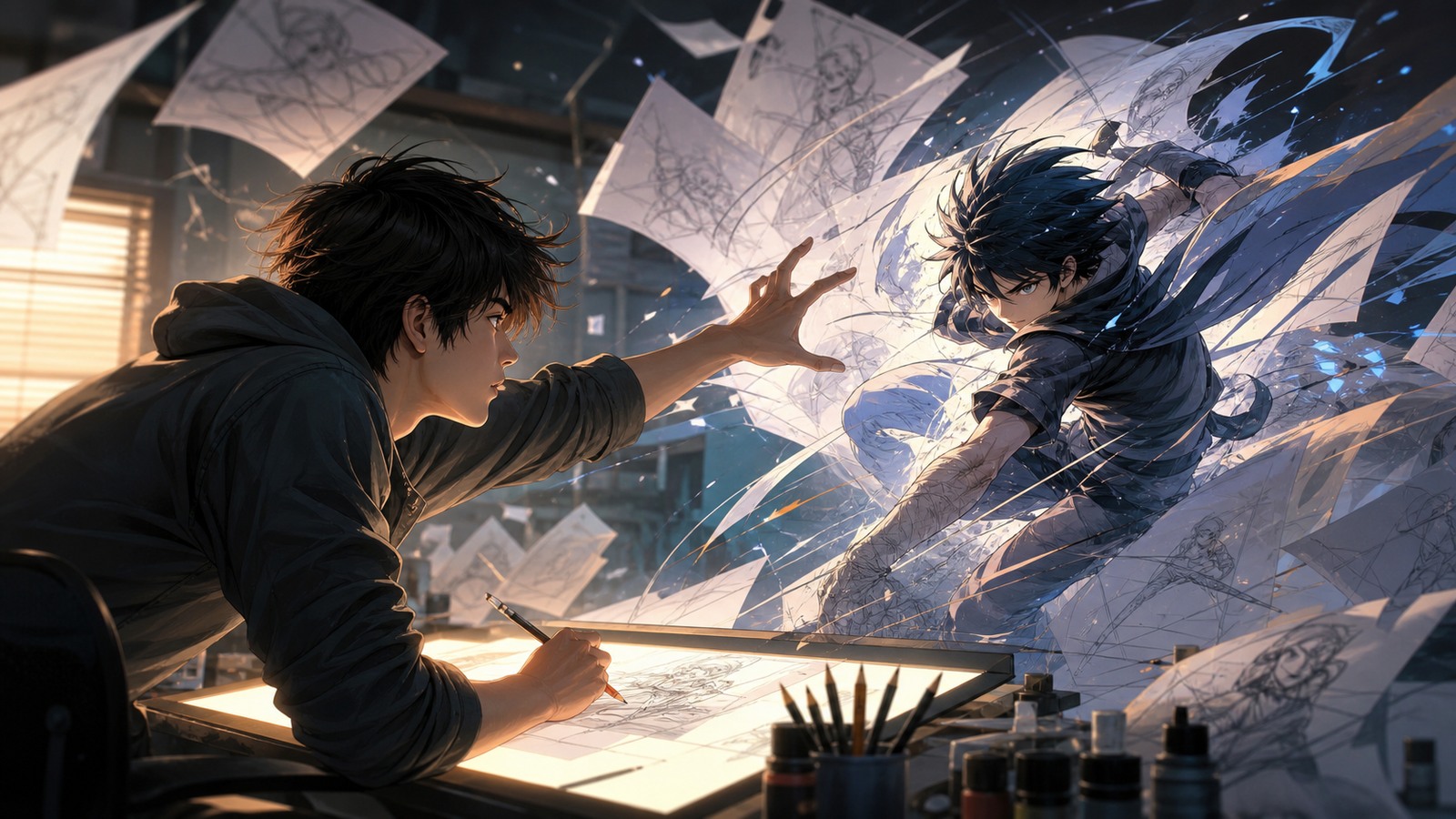
Sakuga moments are the cuts fans share when animation craft jumps forward. The drawing may become looser, denser, faster, or more complex. The scene announces that a decisive moment has arrived.
These cuts are memorable because they combine craft and emotion. A technically impressive shot matters more when it also changes the story’s energy.
Effects That Define Power
Effects animation can define how power feels. Flame, lightning, aura, water, wind, smoke, debris, and magical symbols all tell viewers how force moves through the scene. The effect becomes part of the character’s identity.
ufotable’s Demon Slayer work is often discussed because the visual treatment of attacks gives movement a symbolic layer. Fans remember the effect as much as the strike.
Character Acting and Small Motion
Some of anime’s most memorable animation is quiet. A character looking down, gripping a sleeve, adjusting posture, or hesitating before a step can reveal feeling without speech. That kind of acting makes scenes feel intimate.
Kyoto Animation is frequently admired for attentive everyday motion, but the principle applies across genres. Small movement creates trust in the character’s inner life.
Why Technique Improves Rewatching
Once fans learn the techniques, rewatching changes. A familiar scene can reveal timing choices, composition, spacing, background detail, and effects work that were invisible during the first viewing.
That is why animation technique guides matter. They give viewers better language for the pleasure they already feel.
FAQ
What anime technique is most memorable?
Sakuga cuts, expressive limited animation, character acting, and effects animation are among the most memorable because fans can see their impact immediately.
What are impact frames?
Impact frames are brief striking drawings used around moments of force, often with high contrast, distortion, or graphic shapes.
Why does anime use smears?
Smears stretch or distort drawings to make fast motion read clearly and energetically.