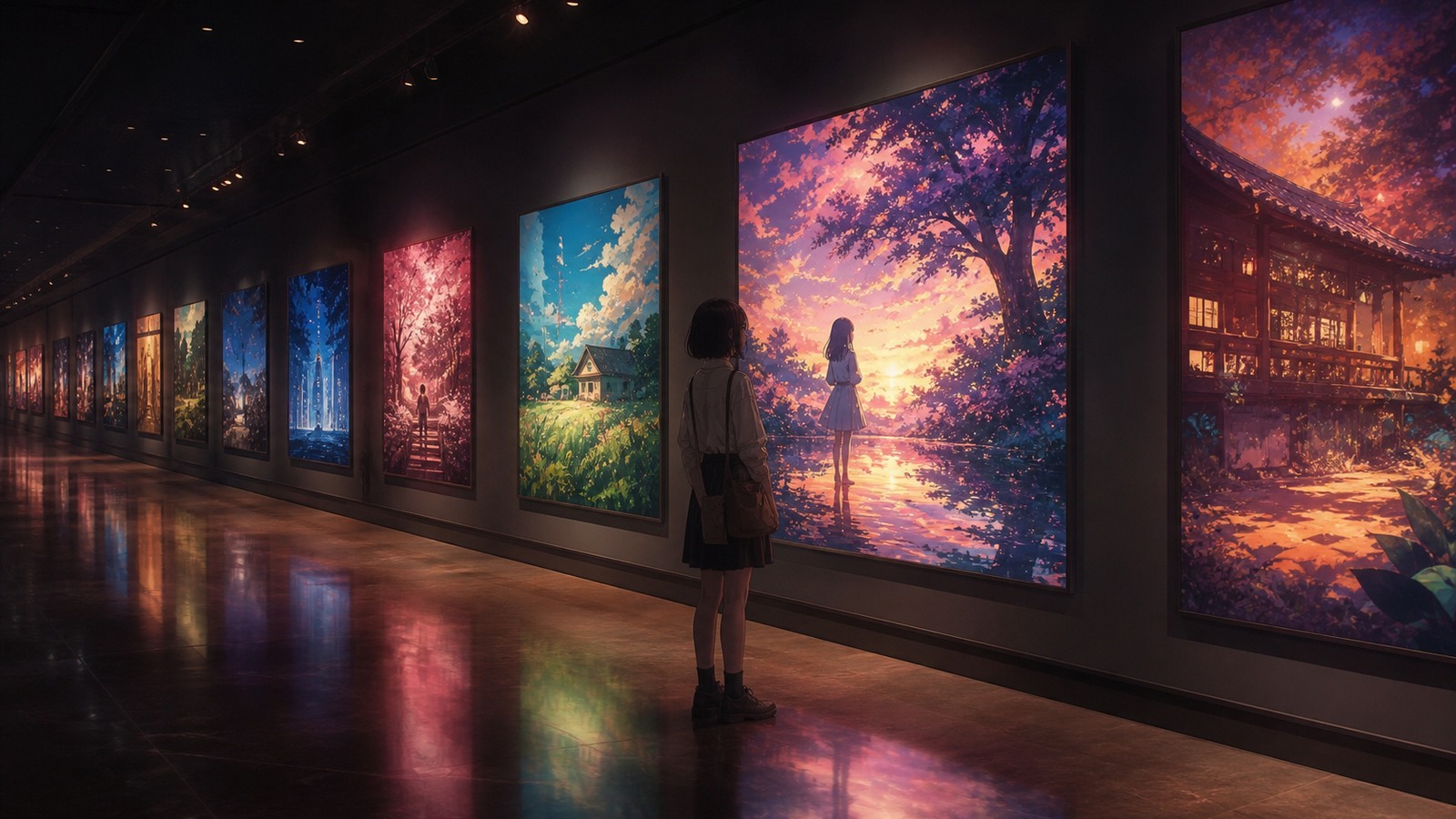
An anime art style ranks highly when it is recognizable, expressive, and connected to the story’s emotional needs. Strong style is not only polish. It includes character design, background art, color, movement, effects, compositing, and how consistently the visual language supports the world.
A: Look for clear tone, memorable characters, strong scene craft, and a reason the story sticks.
A: No. Popularity shows reach, but quality depends on execution and viewer fit.
A: The biggest mistake is confusing pretty screenshots with strong storytelling.
A: Sometimes, but accessible pacing and personal taste matter more.
A: Yes, when visuals carry mood, theme, character, or worldbuilding.
A: Compare what each show is trying to do, not only which is bigger.
A: No. They are valuable when they fit a viewer better than obvious picks.
A: Setup, character pressure, direction, music, and consequence.
A: It is best for fans who choose anime by mood and look.
A: Mix trusted favorites with one unfamiliar title that expands your taste.
What Makes an Anime Art Style Rank Highly
An anime art style ranks highly when it is recognizable, expressive, and connected to the story’s emotional needs. Strong style is not only polish. It includes character design, background art, color, movement, effects, compositing, and how consistently the visual language supports the world.
Studio Ghibli, Akira, JoJo’s Bizarre Adventure, Demon Slayer, Sailor Moon, Evangelion, Mob Psycho 100, Panty & Stocking, Monogatari, and Ping Pong the Animation all show different reasons an art style can become unforgettable.
Handcrafted Naturalism
Studio Ghibli films often rank highly because their art makes environments feel lived in. Forests, kitchens, bathhouses, skies, food, wind, and small gestures carry story weight. The style is beautiful because it observes ordinary life carefully before asking viewers to believe in wonder.
This kind of style creates warmth and memory. Fans recognize it from texture, light, and emotional attention as much as from character faces.
Graphic Exaggeration
JoJo’s Bizarre Adventure uses poses, color shifts, fashion, anatomy, and theatrical framing to make style feel like performance. Mob Psycho 100 uses loose shape, expressive motion, and distortion to make emotion and psychic force feel unstable.
These styles rank highly because they do not hide their exaggeration. They turn visual risk into identity.
Cinematic and Technical Density
Akira remains a landmark because its city detail, lighting, mechanical design, and motion create cinematic weight. Demon Slayer is a modern example of polished effects, color, and compositing giving attacks a memorable visual identity.
Evangelion uses a different density: industrial design, silhouettes, symbolic imagery, and restrained composition create pressure rather than constant beauty.
How to Rank Fairly
A fair ranking asks whether the style fits the story, whether fans can recognize it from a frame, whether the look improves emotion or action, and whether it influenced later work or fan language.
The best anime art styles are not interchangeable. They make the show feel like itself.
FAQ
What anime has the best art style?
Studio Ghibli films, Akira, JoJo’s Bizarre Adventure, Demon Slayer, Mob Psycho 100, Evangelion, and Monogatari are frequent examples.
Is art style the same as animation quality?
No. Art style is the visual language; animation quality concerns movement, drawing consistency, timing, and production execution.
Why do fans love unique art styles?
Unique styles make a series instantly recognizable and help emotion, action, and worldbuilding feel specific.