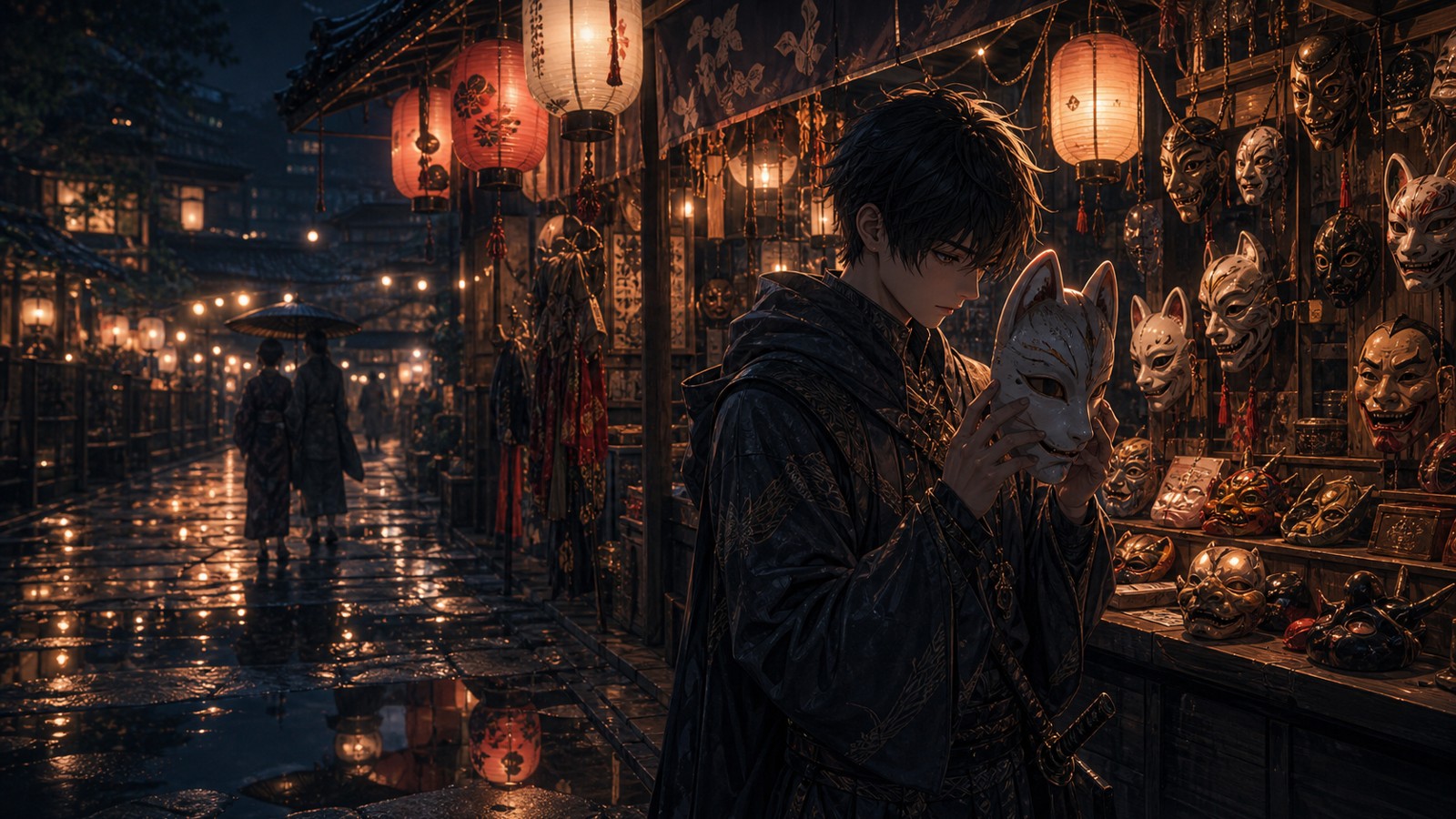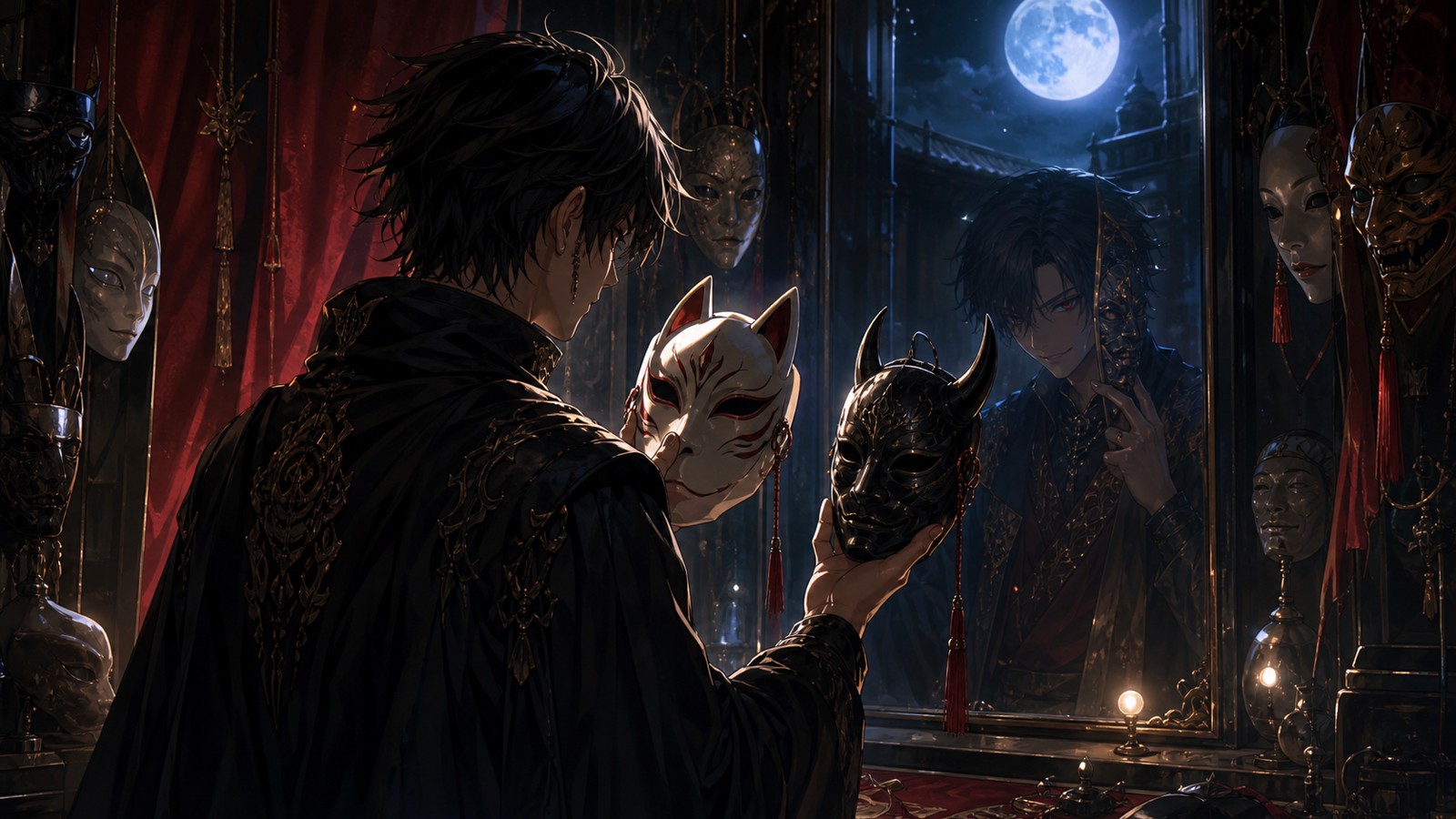
Masks and identity items are memorable because they let anime show the gap between who a character is, who they pretend to be, and who the world allows them to be. A mask can hide a face, create fear, protect a secret, or reveal a truer self.
A: Look for clear tone, memorable characters, strong scene craft, and a reason the story sticks.
A: No. Popularity shows reach, but quality depends on execution and viewer fit.
A: The biggest mistake is confusing hype with lasting impact.
A: Sometimes, but accessible pacing and personal taste matter more.
A: Yes, when visuals carry mood, theme, character, or worldbuilding.
A: Compare what each show is trying to do, not only which is bigger.
A: No. They are valuable when they fit a viewer better than obvious picks.
A: Setup, character pressure, direction, music, and consequence.
A: It is best for anime fans comparing what to watch next.
A: Mix trusted favorites with one unfamiliar title that expands your taste.
Why Masks and Identity Items Work
Masks and identity items are memorable because they let anime show the gap between who a character is, who they pretend to be, and who the world allows them to be. A mask can hide a face, create fear, protect a secret, or reveal a truer self.
Tokyo Ghoul, Bleach, Naruto, Demon Slayer, Code Geass, Death Note, Persona-style stories, and superhero-adjacent anime all use masks, cloaks, headbands, notebooks, uniforms, and aliases to make identity visible.
Tokyo Ghoul and the Face of Fear
Tokyo Ghoul is a strong mask example because ghoul masks are tied to survival, anonymity, style, and fear. Crunchyroll’s anime mask feature highlights Ken Kaneki’s mask as one of the most recognizable examples in fan memory.
The mask matters because it marks a boundary between ordinary life and the violent world Kaneki is pulled into.
Bleach and Hollow Masks
Bleach uses masks to show spiritual danger and divided identity. Hollow imagery, Visored masks, and transformations make inner conflict visible as a face the character can wear or fight against.
That visual idea is powerful because the mask is not only disguise. It is evidence that another force or self is close to the surface.
Naruto, Code Geass, and Hidden Roles
Naruto uses masks, headbands, cloaks, and village symbols to connect identity with rank, secrecy, and loyalty. ANBU masks make the ninja system feel institutional and impersonal.
Code Geass uses Zero’s mask to turn Lelouch into a symbol. The mask lets one person become an idea that other people can follow, fear, or misunderstand.
Everyday Identity Items
Not every identity item is a literal mask. Light’s Death Note, a school uniform, a captain’s coat, a Straw Hat, a Survey Corps cloak, or a magical compact can tell viewers who a character is becoming.
Anime often makes identity portable. The object carries the role into every scene.
How to Rank Masks and Identity Items
Rank masks and identity items by design, recognizability, character connection, story consequence, and whether the object changes how others treat the character. A good mask should alter the room when it appears.
The best identity items make fans understand a character’s secret, burden, pride, or transformation before a line is spoken.
FAQ
What is the most famous anime mask?
Ken Kaneki’s Tokyo Ghoul mask, Bleach Hollow masks, Naruto ANBU masks, and Code Geass’s Zero mask are common examples.
Why do anime characters wear masks?
Masks can hide identity, create fear, symbolize inner conflict, or turn a person into a public role.
Can an identity item be something other than a mask?
Yes. Hats, uniforms, notebooks, swords, rings, compacts, and cloaks can all function as identity items.