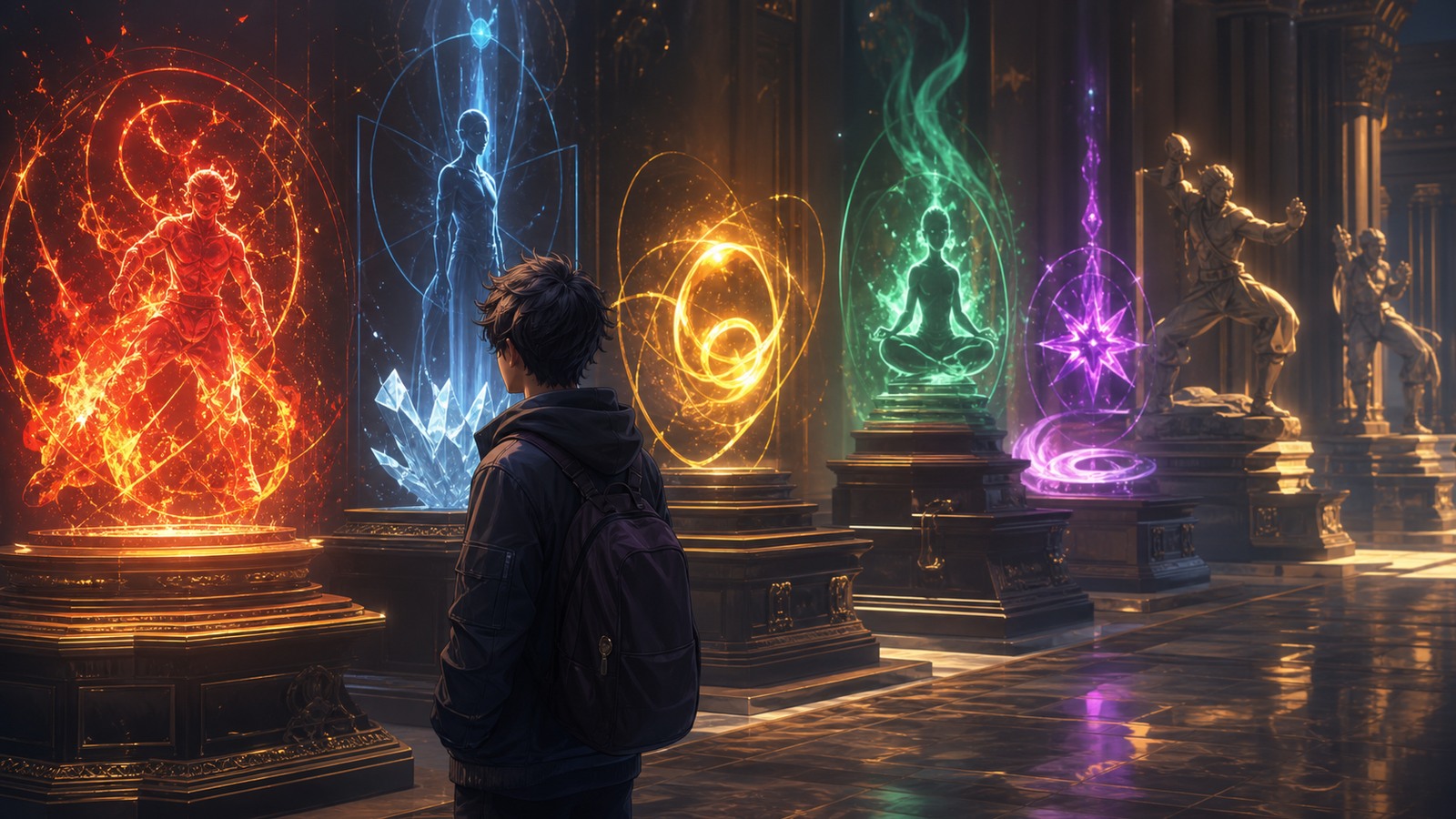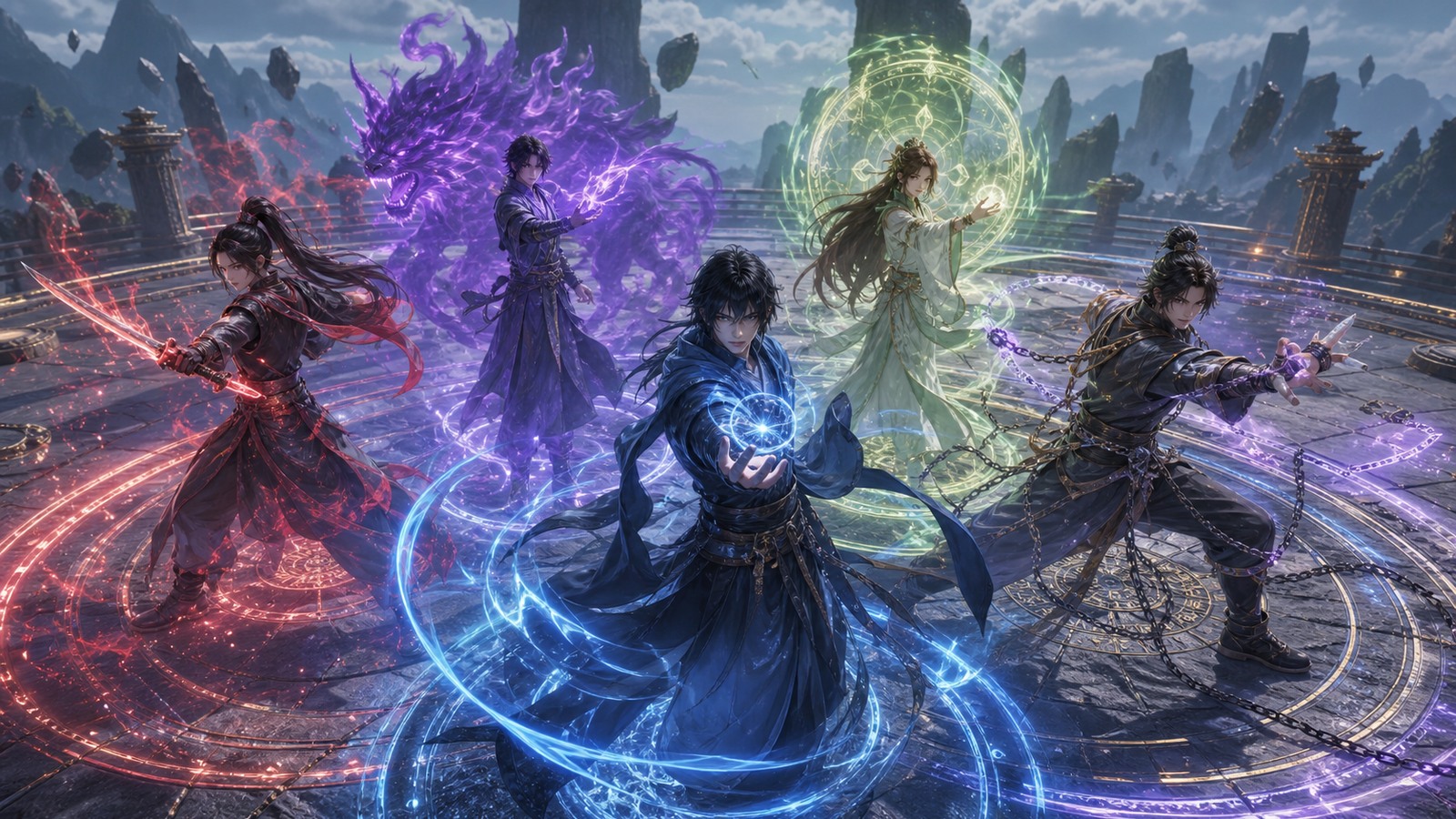
The best anime power systems are not only the ones with the biggest attacks. A strong system gives viewers rules, limits, training paths, costs, and enough flexibility for surprising tactics. It makes fights easier to follow because power has logic.
A: Look for clear tone, memorable characters, strong scene craft, and a reason the story sticks.
A: No. Popularity shows reach, but quality depends on execution and viewer fit.
A: The biggest mistake is ranking scale above clarity and stakes.
A: Sometimes, but accessible pacing and personal taste matter more.
A: Yes, when visuals carry mood, theme, character, or worldbuilding.
A: Compare what each show is trying to do, not only which is bigger.
A: No. They are valuable when they fit a viewer better than obvious picks.
A: Setup, character pressure, direction, music, and consequence.
A: It is best for fans who want momentum, spectacle, and character growth.
A: Mix trusted favorites with one unfamiliar title that expands your taste.
How to Rank Anime Power Systems
The best anime power systems are not only the ones with the biggest attacks. A strong system gives viewers rules, limits, training paths, costs, and enough flexibility for surprising tactics. It makes fights easier to follow because power has logic.
Nen in Hunter x Hunter, chakra in Naruto, cursed energy in Jujutsu Kaisen, quirks in My Hero Academia, devil fruits and Haki in One Piece, Stands in JoJo’s Bizarre Adventure, and breathing styles in Demon Slayer all show different ways to make power readable.
Nen and Rule-Based Strategy
Nen is often praised because its categories, vows, restrictions, aura control, and user psychology create tactical fights. Crunchyroll’s Nen guide points to how its terminology helps explain the building blocks of power-system thinking.
The appeal is that limitations matter. A character can win through preparation, deception, matchup knowledge, or a self-imposed condition rather than simple energy output.
Chakra, Cursed Energy, and Training Identity
Naruto’s chakra system connects power to stamina, control, elemental affinity, clan inheritance, tailed beasts, hand signs, and training. It supports rivalry, mentorship, and escalation across a long shonen structure.
Jujutsu Kaisen’s cursed energy works differently. It links power to negative emotion, technique inheritance, domains, binding vows, and the danger of curses. The system feels darker because its fuel and consequences are tied to fear, grief, and harm.
Devil Fruits, Haki, and Stands
One Piece balances devil fruits with Haki so power can be strange, funny, frightening, or strategic. The system supports adventure because each new island can introduce new abilities and social rules.
JoJo’s Stands are memorable because powers become extensions of personality and puzzle logic. A fight is often won by understanding the ability’s condition, range, weakness, or hidden use.
Quirks and Breathing Styles
My Hero Academia uses quirks to connect powers to society, hero work, discrimination, family expectations, and professional training. The power system becomes civic structure as much as combat logic.
Demon Slayer’s breathing styles make sword forms visually distinct. They are easier to remember because style, movement, and character identity come together in the animation.
What Makes a Power System Last
A lasting power system creates fan debate. Viewers can compare matchups, imagine training paths, argue weaknesses, and understand why a character’s victory was earned.
The strongest systems balance clarity and surprise. They teach rules, then reward characters who use those rules creatively.
FAQ
What is the best anime power system?
Nen, chakra, cursed energy, Stands, devil fruits and Haki, quirks, and breathing styles are common contenders.
Why is Nen so popular?
Nen is popular because its categories, restrictions, vows, and tactical rules make fights feel strategic.
What makes a power system good?
Clear rules, limits, costs, training, creativity, and story consequences make a power system satisfying.