A focused guide to anime power systems that fans remember for rules, training, limits, strategy, and emotional cost.
A: Look for clear tone, memorable characters, strong scene craft, and a reason the story sticks.
A: No. Popularity shows reach, but quality depends on execution and viewer fit.
A: The biggest mistake is ranking scale above clarity and stakes.
A: Sometimes, but accessible pacing and personal taste matter more.
A: Yes, when visuals carry mood, theme, character, or worldbuilding.
A: Compare what each show is trying to do, not only which is bigger.
A: No. They are valuable when they fit a viewer better than obvious picks.
A: Setup, character pressure, direction, music, and consequence.
A: It is best for fans who want momentum, spectacle, and character growth.
A: Mix trusted favorites with one unfamiliar title that expands your taste.
Why Anime Power Systems Stay Memorable
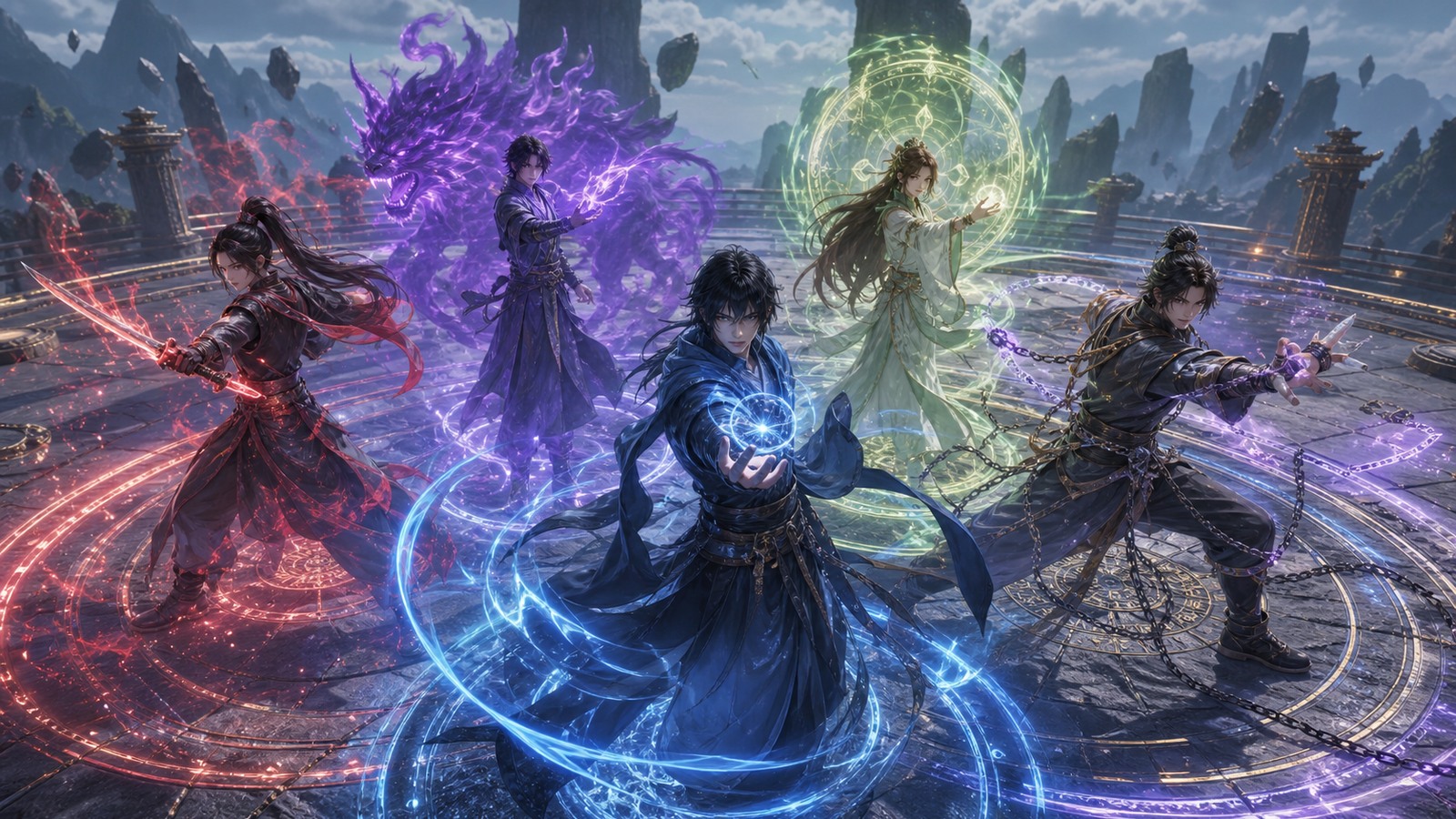
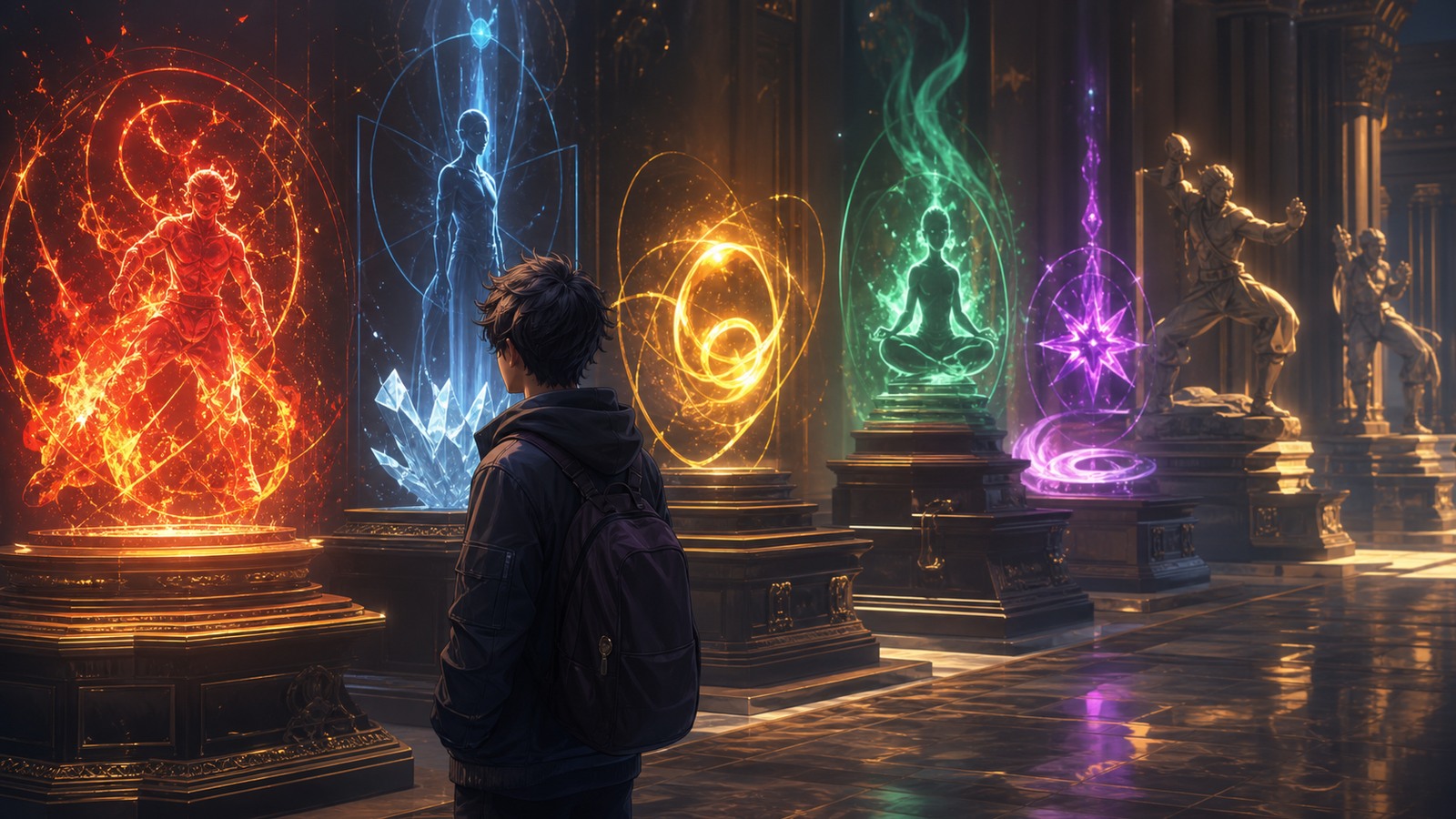
Anime power systems stay memorable when they turn growth into rules viewers can follow. A strong system explains what power can do, what it costs, how it improves, who controls it, and why some choices are risky.
Naruto, Hunter x Hunter, Jujutsu Kaisen, Demon Slayer, My Hero Academia, Dragon Ball, Bleach, One Piece, Black Clover, and Fullmetal Alchemist all give fans different kinds of rules to compare and debate.
Rules, Limits, and Strategy
Hunter x Hunter’s Nen is famous because categories, vows, restrictions, and personal expression make battles strategic. Jujutsu Kaisen uses cursed energy, techniques, domains, binding vows, and cursed objects to make supernatural combat feel rule-driven.
A good power system gives characters room to think. Viewers can ask how a matchup works, where a limit sits, and what price a victory demands.
Training and Visible Growth
Naruto’s chakra, Demon Slayer’s breathing styles, Black Clover’s grimoires, and My Hero Academia’s quirks all make growth visible through training, discipline, inheritance, and problem-solving. Fans remember improvement when the story shows the process, not only the result.
Dragon Ball uses escalation, transformation, martial arts training, and cosmic stakes to make power feel huge. The system is simpler, but its emotional clarity and iconic transformations carry enormous fan memory.
Power as Identity
Bleach connects Zanpakuto and spiritual power to identity. One Piece uses Devil Fruits, Haki, and fighting styles to make crews and rivals feel distinct. Fullmetal Alchemist uses alchemy rules to connect knowledge, ethics, exchange, and consequence.
The most memorable systems reveal character. Power is not only what someone can do; it shows what they value, fear, inherit, or refuse.
How To Rank Anime Power Systems
Rank power systems by rule clarity, flexibility, emotional stakes, limits, visual identity, strategic depth, and how well the system supports long-term storytelling. Popularity matters, but consistency gives a system staying power.
A great power system makes fans want to imagine their own technique while still respecting the story’s limits.
FAQ
What is the best anime power system?
Common fan picks include Nen from Hunter x Hunter, chakra from Naruto, cursed energy from Jujutsu Kaisen, quirks from My Hero Academia, and alchemy from Fullmetal Alchemist.
What makes a power system good?
Clear rules, limits, costs, training paths, strategy, visual identity, and character connection make a system strong.
Why do fans debate power systems?
Power systems invite comparison because fans can discuss matchups, limits, growth, tactics, and emotional consequences.