
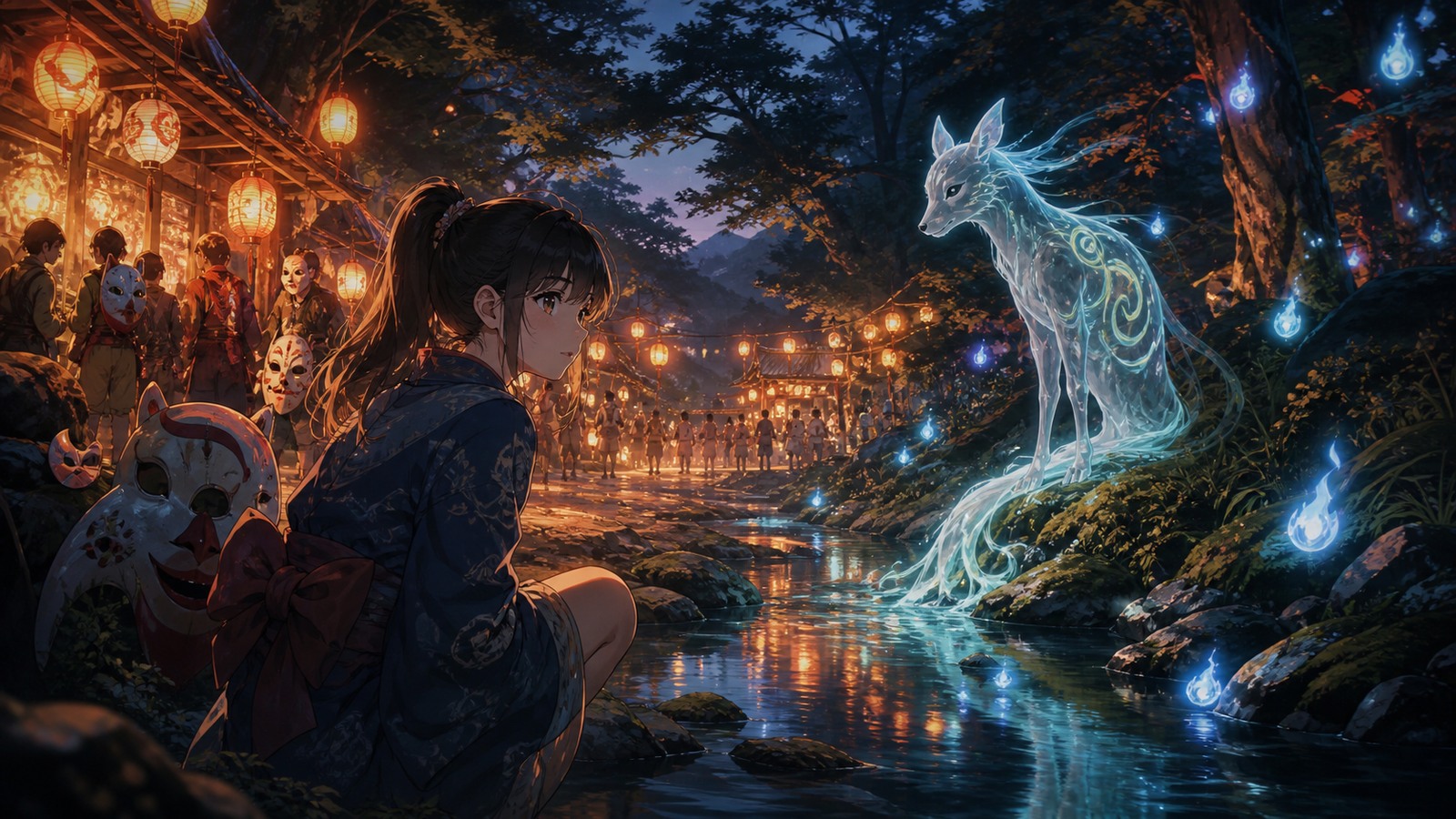
Memorable anime mythology and folklore give a series old rules and spiritual texture. Spirits, yokai, gods, demons, curses, rituals, masks, festivals, sacred places, and inherited names make the world feel deeper than the immediate plot.
A: Look for clear tone, memorable characters, strong scene craft, and a reason the story sticks.
A: No. Popularity shows reach, but quality depends on execution and viewer fit.
A: The biggest mistake is letting exposition replace character pressure.
A: Sometimes, but accessible pacing and personal taste matter more.
A: Yes, when visuals carry mood, theme, character, or worldbuilding.
A: Compare what each show is trying to do, not only which is bigger.
A: No. They are valuable when they fit a viewer better than obvious picks.
A: Setup, character pressure, direction, music, and consequence.
A: It is best for viewers who enjoy immersion and worldbuilding.
A: Mix trusted favorites with one unfamiliar title that expands your taste.
Why Mythology and Folklore Stay Memorable
Memorable anime mythology and folklore give a series old rules and spiritual texture. Spirits, yokai, gods, demons, curses, rituals, masks, festivals, sacred places, and inherited names make the world feel deeper than the immediate plot.
Mushishi, Natsume’s Book of Friends, Mononoke, Spirited Away, Inuyasha, Demon Slayer, Jujutsu Kaisen, Noragami, The Ancient Magus’ Bride, and Kamisama Kiss all use mythic or folkloric material differently.
Mushishi and Environmental Mystery
Mushishi is memorable because its supernatural beings feel close to natural phenomena. Mushi are not treated like ordinary monsters; they belong to a quiet world of illness, memory, light, sound, and landscape.
This creates a folklore mood even when the creatures are invented for the series. The supernatural feels old because it is tied to place and human vulnerability.
Natsume and the Ethics of Names
Natsume’s Book of Friends uses yokai and inherited names to explore loneliness, kindness, memory, and responsibility. The emotional center is not defeating spirits. It is deciding how to treat beings that others cannot see.
That gentleness is why the series stays memorable. Folklore becomes a way to talk about empathy.
Mononoke, Ghibli, and Spiritual Spaces
Mononoke uses form, truth, and reason to turn supernatural cases into psychological and moral investigations. Spirited Away uses bathhouse labor, river spirit imagery, and liminal travel to make the spirit world feel vivid and strange.
These works show how mythology can be visual structure. The viewer learns rules by watching spaces, rituals, and objects.
Demons, Curses, and Action Folklore
Demon Slayer uses demons, sword traditions, family grief, and historical texture to build supernatural action. Jujutsu Kaisen uses curses to make negative emotion physically dangerous. Inuyasha blends demons, relics, romance, and period adventure.
Action folklore works when the mythic material creates rules and emotional stakes, not just enemy designs.
How to Rank Folklore in Anime
Rank folklore use by atmosphere, story function, emotional depth, creature design, rule clarity, and respect for mystery. A borrowed mythic name is weaker than a world where old stories change character choices.
The best examples make viewers feel that the past is still alive, watching from the edge of the scene.
FAQ
What anime has memorable folklore?
Mushishi, Natsume’s Book of Friends, Mononoke, Spirited Away, Inuyasha, Noragami, and The Ancient Magus’ Bride are common examples.
Is Mushishi based on real folklore?
It creates its own supernatural ecology, but its quiet spirit-world feeling is often compared with folklore.
Why is yokai anime popular?
Yokai stories combine mystery, humor, fear, empathy, place, and old spiritual rules.
