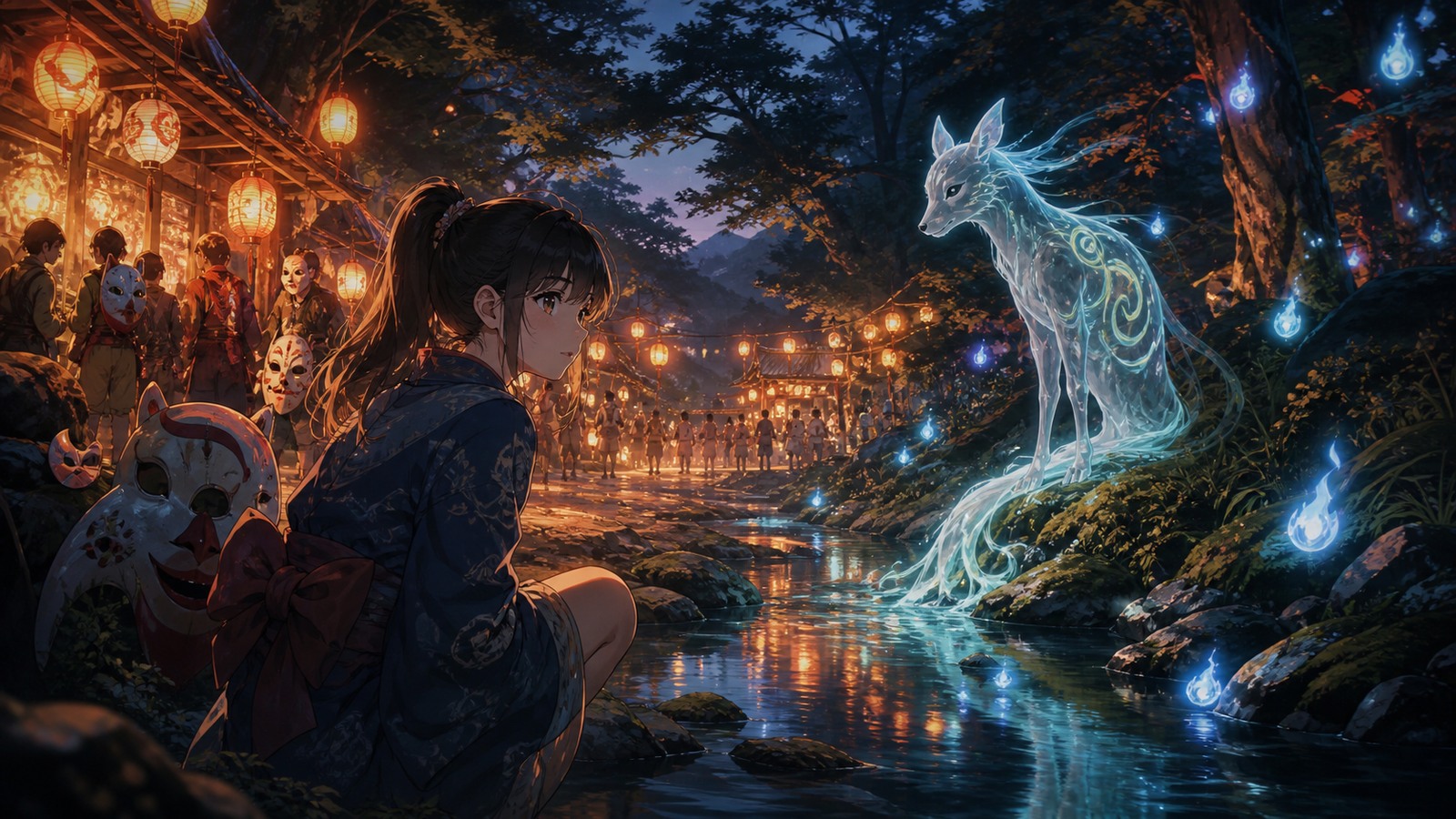
Anime mythology and folklore give stories a sense of depth before the plot explains everything. Spirits, gods, demons, curses, yokai-like beings, sacred places, rituals, masks, festivals, and old stories can make a world feel older than the main cast.
A: Look for clear tone, memorable characters, strong scene craft, and a reason the story sticks.
A: No. Popularity shows reach, but quality depends on execution and viewer fit.
A: The biggest mistake is letting exposition replace character pressure.
A: Sometimes, but accessible pacing and personal taste matter more.
A: Yes, when visuals carry mood, theme, character, or worldbuilding.
A: Compare what each show is trying to do, not only which is bigger.
A: No. They are valuable when they fit a viewer better than obvious picks.
A: Setup, character pressure, direction, music, and consequence.
A: It is best for viewers who enjoy immersion and worldbuilding.
A: Mix trusted favorites with one unfamiliar title that expands your taste.
Why Mythology and Folklore Matter in Anime
Anime mythology and folklore give stories a sense of depth before the plot explains everything. Spirits, gods, demons, curses, yokai-like beings, sacred places, rituals, masks, festivals, and old stories can make a world feel older than the main cast.
Mushishi, Natsume’s Book of Friends, Mononoke, Inuyasha, Demon Slayer, Spirited Away, Noragami, and The Ancient Magus’ Bride all use mythic or folkloric material in different ways.
Spirits and the Natural World
Mushishi is a strong example of folklore-like anime because the supernatural is treated as environmental rather than simply evil. The mushi feel tied to landscape, illness, memory, light, and ordinary human life.
Studio Ghibli films often use spirits and sacred spaces to make nature feel alive. Spirited Away’s bathhouse, river spirit imagery, and liminal crossings show how folklore can become visual worldbuilding.
Yokai, Demons, and Curses
Natsume’s Book of Friends uses yokai encounters to explore loneliness, kindness, memory, and inherited burden. Mononoke uses supernatural cases to investigate form, truth, and regret. Inuyasha mixes demons, relics, and historical fantasy adventure.
Demon Slayer uses demons differently, connecting horror, tragedy, family loss, and sword traditions. Jujutsu Kaisen uses curses to make negative emotion physically dangerous.
Myth as Character Identity
Mythology becomes strongest when it shapes character identity. A character may inherit a name, power, duty, curse, or relationship to spirits. The supernatural then becomes personal instead of decorative.
Noragami uses gods and worship to connect identity with memory and devotion. The Ancient Magus’ Bride uses fae and magical customs to make belonging feel complicated.
Ranking Folklore Use
A good ranking asks whether mythology changes the story’s rules, emotions, and world texture. A borrowed creature name is weaker than a mythic idea that shapes behavior, fear, ritual, or consequence.
The best mythology anime make the past feel present. Viewers sense that old stories still have power over modern choices.
FAQ
What anime is based on folklore?
Mushishi, Natsume’s Book of Friends, Mononoke, Inuyasha, Noragami, Spirited Away, and The Ancient Magus’ Bride are common examples.
What is yokai anime?
Yokai anime features spirits or supernatural beings drawn from Japanese folklore or folklore-inspired traditions.
Why does folklore work well in anime?
It gives stories visual symbols, old rules, spiritual texture, and emotional connections to memory and place.