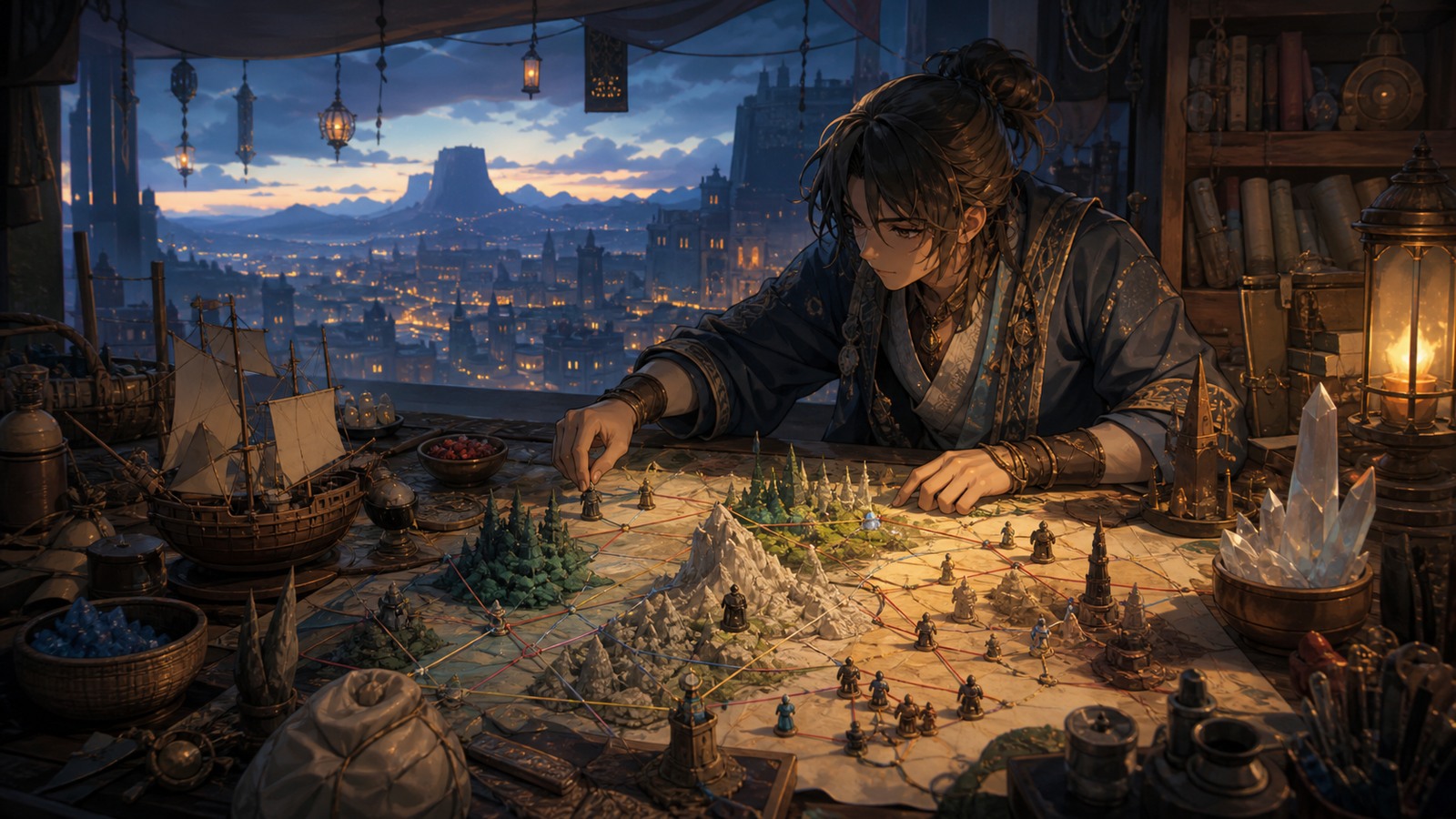
A practical breakdown of anime world-building mechanics, including factions, maps, economies, schools, ranks, and power rules.
A: Look for clear tone, memorable characters, strong scene craft, and a reason the story sticks.
A: No. Popularity shows reach, but quality depends on execution and viewer fit.
A: The biggest mistake is letting exposition replace character pressure.
A: Sometimes, but accessible pacing and personal taste matter more.
A: Yes, when visuals carry mood, theme, character, or worldbuilding.
A: Compare what each show is trying to do, not only which is bigger.
A: No. They are valuable when they fit a viewer better than obvious picks.
A: Setup, character pressure, direction, music, and consequence.
A: It is best for viewers who enjoy immersion and worldbuilding.
A: Mix trusted favorites with one unfamiliar title that expands your taste.
What World-Building Mechanics Do
Anime world-building mechanics are the systems that make a fictional world operate. They include maps, governments, schools, guilds, ranks, economies, power rules, technology, religion, factions, travel routes, wars, food, language, and daily routines.
One Piece, Naruto, Fullmetal Alchemist, Attack on Titan, My Hero Academia, Demon Slayer, Jujutsu Kaisen, Hunter x Hunter, Sword Art Online, and Studio Ghibli films all use mechanics to make their settings feel organized.
Institutions and Factions
Institutions make a world feel larger than one hero. Naruto has villages, clans, exams, and ranks. My Hero Academia has hero schools, agencies, licenses, villains, media pressure, and public trust. Jujutsu Kaisen has schools, elders, cursed tools, and hidden sorcerer politics.
Factions are useful because they make conflict social. A character is not only fighting an enemy; they are moving through systems that reward, punish, hide, or exploit power.
Maps, Travel, and Scale
One Piece is one of anime’s clearest examples of map-driven worldbuilding. Islands, sea routes, weather, territories, and political borders make the journey feel huge. Attack on Titan uses walls and national geography to turn space into fear and revelation.
Travel mechanics matter because they decide what characters can know, reach, protect, or lose. The map becomes a storytelling tool.
Rules, Daily Life, and Texture
Power systems are world-building mechanics, but so are food, uniforms, jobs, homes, transport, festivals, school clubs, shops, and background routines. Ghibli films are strong here because ordinary details make magical spaces feel inhabited.
A believable world needs more than lore. It needs repeated habits and practical details that show how people live when a battle is not happening.
How To Rank World-Building Mechanics
Rank these mechanics by clarity, consistency, usefulness, emotional effect, and how strongly they shape character decisions. A mechanic is stronger when it creates story possibilities, not only background information.
The best anime worlds feel expandable because their systems keep producing new conflicts, locations, roles, and choices.
FAQ
What are world-building mechanics?
They are the rules and systems that make a fictional world function, such as maps, ranks, governments, schools, travel, powers, and daily routines.
What anime has strong worldbuilding?
One Piece, Naruto, Fullmetal Alchemist, Attack on Titan, Hunter x Hunter, My Hero Academia, Jujutsu Kaisen, and Ghibli films are frequent examples.
Why do world-building mechanics matter?
They make the setting feel coherent and create believable choices, conflicts, and consequences.