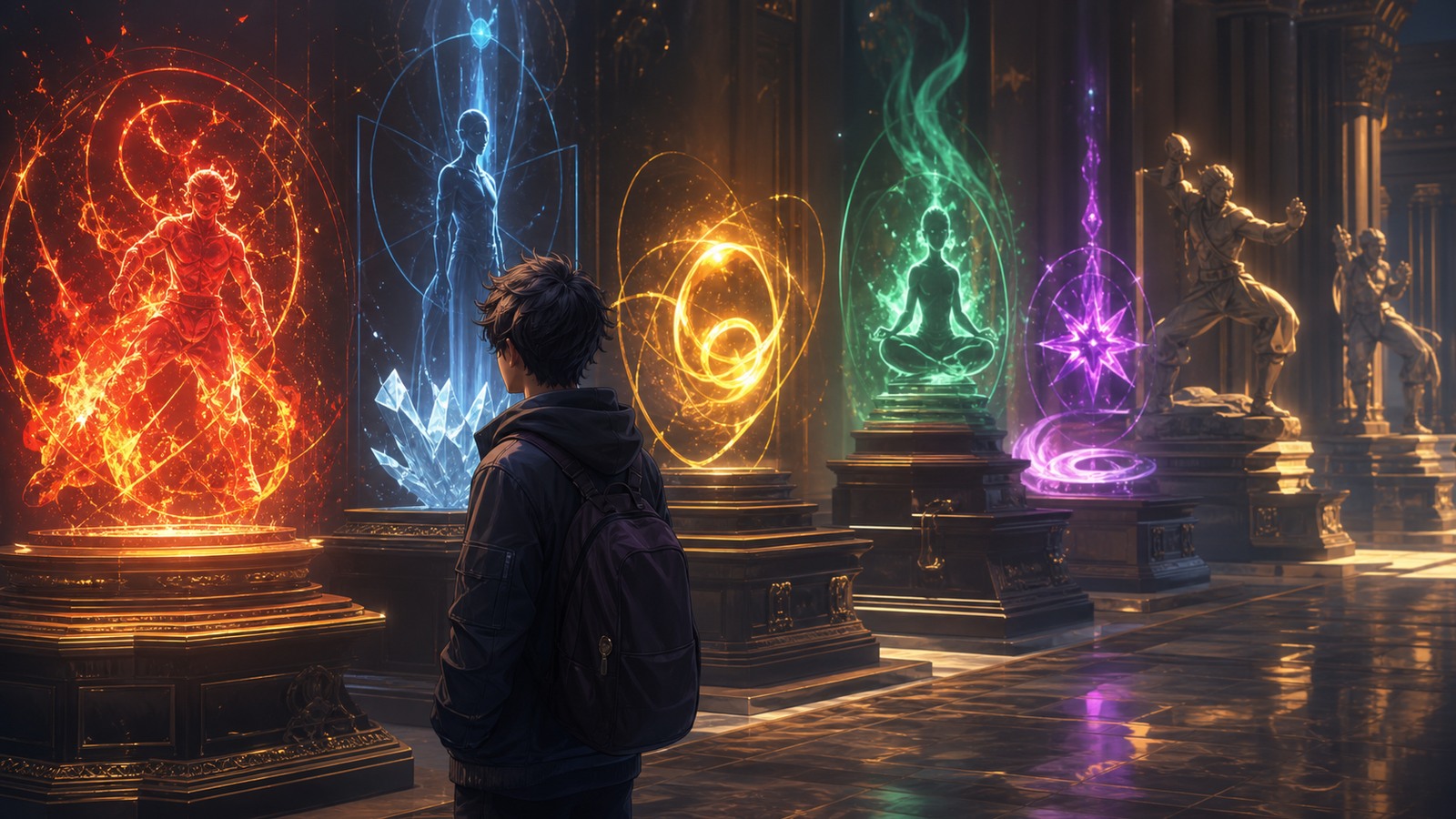
World-building mechanics are the systems that make an anime world operate: magic rules, governments, geography, schools, guilds, economies, religions, technology, monsters, rankings, wars, and social customs. They are the moving parts behind the setting.
A: Look for clear tone, memorable characters, strong scene craft, and a reason the story sticks.
A: No. Popularity shows reach, but quality depends on execution and viewer fit.
A: The biggest mistake is letting exposition replace character pressure.
A: Sometimes, but accessible pacing and personal taste matter more.
A: Yes, when visuals carry mood, theme, character, or worldbuilding.
A: Compare what each show is trying to do, not only which is bigger.
A: No. They are valuable when they fit a viewer better than obvious picks.
A: Setup, character pressure, direction, music, and consequence.
A: It is best for viewers who enjoy immersion and worldbuilding.
A: Mix trusted favorites with one unfamiliar title that expands your taste.
What World-Building Mechanics Mean
World-building mechanics are the systems that make an anime world operate: magic rules, governments, geography, schools, guilds, economies, religions, technology, monsters, rankings, wars, and social customs. They are the moving parts behind the setting.
One Piece, Fullmetal Alchemist, Attack on Titan, Naruto, Hunter x Hunter, Made in Abyss, Frieren, and Delicious in Dungeon all use mechanics to make their worlds feel governed by more than plot convenience.
Rules That Shape Character Choices
A good world mechanic changes what characters can do. In Fullmetal Alchemist, equivalent exchange turns magic-like power into a moral and material rule. In Naruto, villages, ranks, missions, clans, and chakra training shape the entire path of a shinobi.
Rules matter because they create friction. A character who breaks, exploits, or suffers under a rule becomes easier to understand.
Geography and Movement
Geography is one of the strongest mechanics. One Piece uses islands, seas, the Grand Line, and political territories to make travel the engine of adventure. Made in Abyss uses vertical descent so the world itself becomes a sequence of danger and discovery.
When geography has rules, the setting feels physical. Characters cannot simply go anywhere without cost.
Institutions and Power
Worlds become richer when institutions have visible influence. Attack on Titan uses military structures, walls, districts, governments, and inherited history to shape fear and rebellion. My Hero Academia uses hero licensing, schools, agencies, and public reputation to turn superpowers into society.
Institutions give conflict a larger frame. A fight is not only personal when laws, systems, and public trust are involved.
Food, Ecology, and Daily Life
Delicious in Dungeon is a useful example because dungeon exploration is tied to food, ecology, survival, and practical problem-solving. Frieren uses travel, old kingdoms, magic exams, and memory to make the world feel aged rather than instantly explained.
Daily life matters because it proves people live in the world when the main cast is not fighting.
How to Rank World Mechanics
Rank mechanics by clarity, consequence, originality, flexibility, and how often they create story decisions. A map or magic rule matters most when it changes behavior.
The best world-building mechanics let fans imagine side stories, debate rules, and predict consequences without feeling the world is arbitrary.
FAQ
What are world-building mechanics?
They are the rules and systems that make a fictional world function, such as magic, politics, geography, economy, technology, and culture.
What anime has strong worldbuilding?
One Piece, Fullmetal Alchemist, Attack on Titan, Hunter x Hunter, Made in Abyss, Frieren, and Delicious in Dungeon are common examples.
Why do mechanics matter?
They make character choices feel constrained, earned, and connected to the setting.