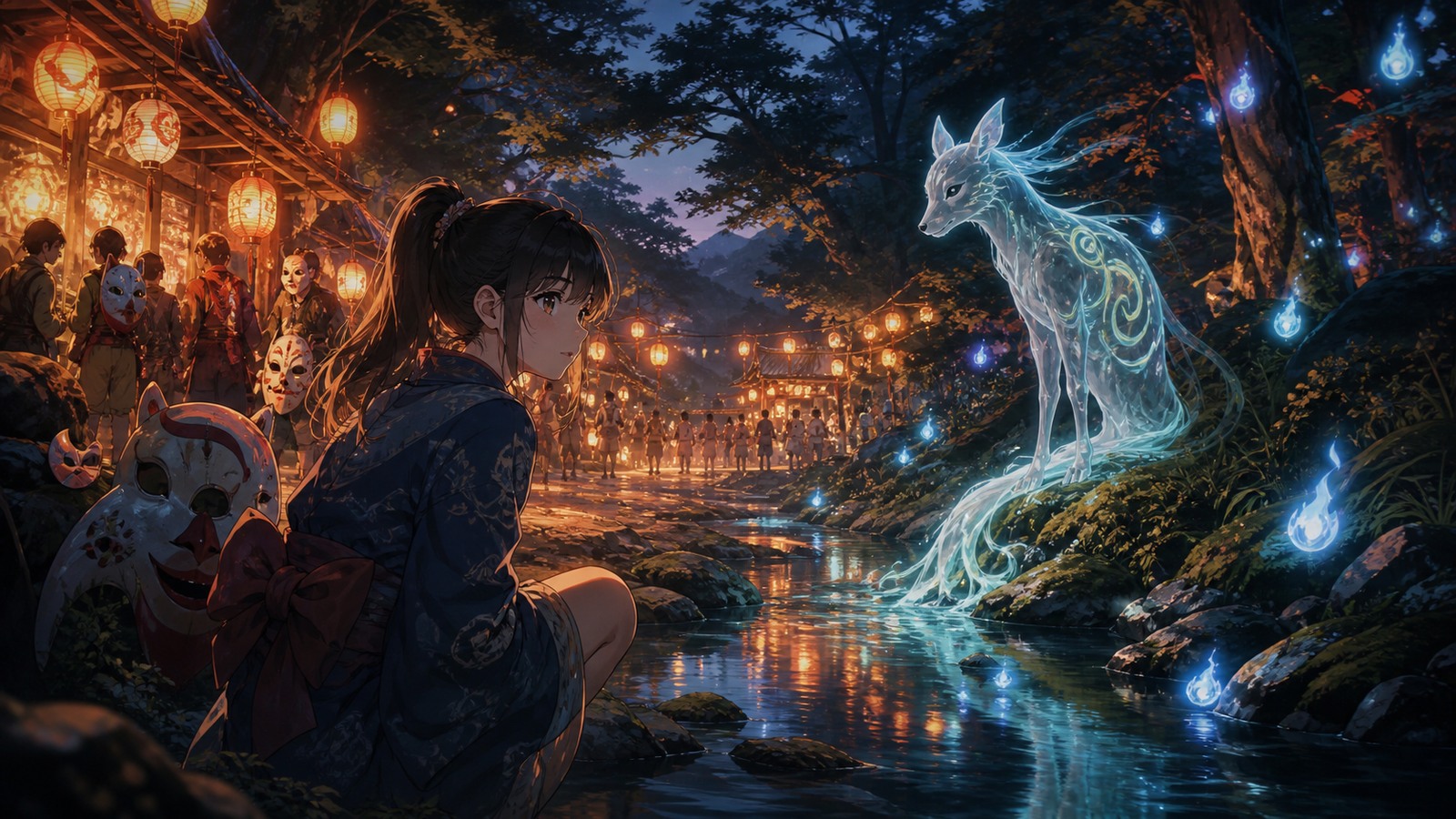
A fan-focused guide to anime symbolism and hidden meaning across colors, objects, settings, costumes, and repeated visual motifs.
A: Look for clear tone, memorable characters, strong scene craft, and a reason the story sticks.
A: No. Popularity shows reach, but quality depends on execution and viewer fit.
A: The biggest mistake is confusing hype with lasting impact.
A: Sometimes, but accessible pacing and personal taste matter more.
A: Yes, when visuals carry mood, theme, character, or worldbuilding.
A: Compare what each show is trying to do, not only which is bigger.
A: No. They are valuable when they fit a viewer better than obvious picks.
A: Setup, character pressure, direction, music, and consequence.
A: It is best for anime fans comparing what to watch next.
A: Mix trusted favorites with one unfamiliar title that expands your taste.
Why Symbolism and Hidden Meaning Become Memorable
Symbolism and hidden meaning become memorable when a visual detail keeps gaining emotional weight. A flower, mask, color, doorway, train, uniform, wall, hand, bird cage, moon, sword, or empty chair can help viewers feel what the dialogue leaves unsaid.
Neon Genesis Evangelion, Revolutionary Girl Utena, Attack on Titan, Naruto, Demon Slayer, Jujutsu Kaisen, One Piece, Sailor Moon, Mononoke, and Spirited Away all give fans images worth revisiting.
Repeated Motifs and Emotional Payoff
A symbol works best when it returns at important moments. Evangelion uses repeated visual and religious imagery to make isolation, fear, identity, and scale feel overwhelming. Utena uses roses, duels, uniforms, stairs, and theatrical space to make power and adolescence visible.
The point is not to solve every image like a code. Good symbolism creates resonance, so a later scene makes an earlier image feel sharper.
Objects That Carry Character Meaning
Anime often lets objects carry identity. Luffy’s Straw Hat, Naruto’s headband, Tanjiro’s haori, Sailor Moon’s compact, Light’s notebook, and Jujutsu Kaisen cursed objects all hold more meaning than their practical use.
These objects become fan shorthand because they connect a character to promises, grief, ambition, belonging, duty, or danger.
Setting Symbolism and Hidden Histories
Attack on Titan turns walls, basements, uniforms, maps, and geography into symbolic pressure. Spirited Away uses food, names, baths, work, pollution, and thresholds to make the spirit world feel strange and meaningful.
Settings can carry hidden meaning as strongly as characters. A place may reveal class, memory, fear, corruption, wonder, or the cost of leaving home.
How Fans Remember Hidden Meaning
Rank symbolic anime details by recurrence, clarity, emotional power, visual strength, and story consequence. A symbol belongs high when it helps fans understand a character or world more deeply on rewatch.
The strongest examples do not interrupt the story to explain themselves. They wait in the image until the viewer is ready to notice them.
FAQ
What anime is known for symbolism?
Evangelion, Revolutionary Girl Utena, Attack on Titan, Mononoke, Spirited Away, Sailor Moon, and Naruto are common examples.
What counts as hidden meaning in anime?
Hidden meaning can come from repeated images, color, objects, setting details, foreshadowing, names, framing, or story structure.
Why do fans enjoy symbolic anime?
Symbolic anime rewards rewatching because details gain meaning after later episodes or character turns.